
Introduction
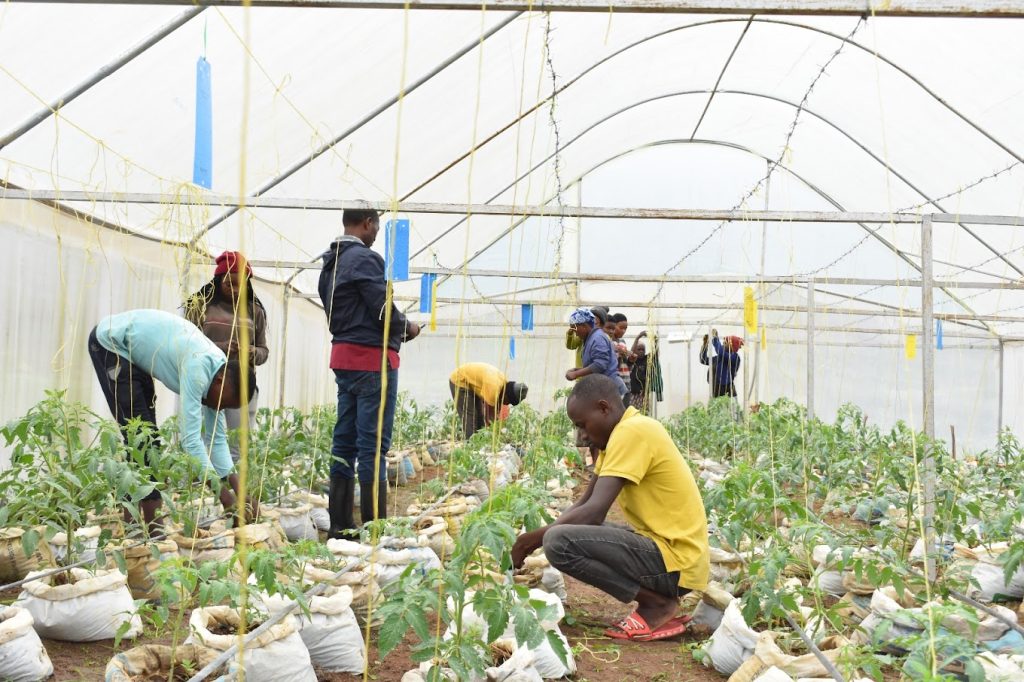
Food insecurity remains a pressing issue in Rwanda, with nearly one-fifth of the population experiencing food insecurity and almost a third of children under five suffering from chronic malnutrition[1]. As the country continues to face challenges such as irregular rainfall, drought, and intense competition for agricultural land[1], innovative solutions are essential to ensure a stable food supply. One promising approach is the implementation of smart agriculture in greenhouses.
The Concept of Smart Greenhouses
Smart greenhouses leverage advanced technologies to create optimized, controlled plant-growing environments. These intelligent systems use sensors, automation, and data analytics to precisely control factors such as climate, irrigation, and fertilization[2]. By providing year-round tailored growing conditions, smart greenhouses can achieve substantially higher yields than conventional farming[2].
Benefits of Smart Greenhouses
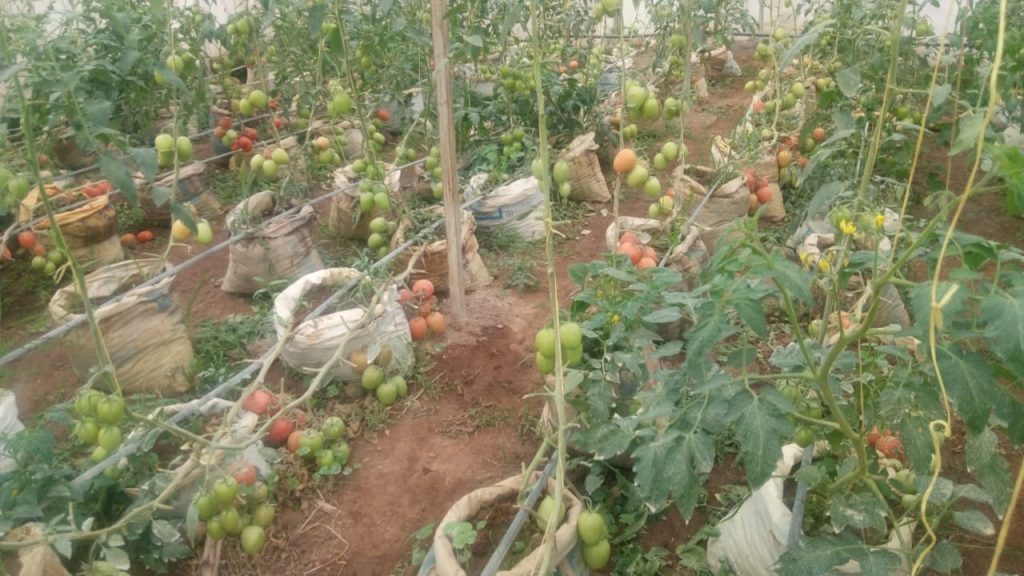
- Increased Crop Production and Yield: Controlled climate conditions allow farmers to adjust temperature, humidity, and light levels to create the ideal environment for different types of crops. This leads to optimal growth and increased crop productivity[2].
- Optimized Resource Utilization: Advanced technologies such as sensors and automation systems enable efficient use of resources. Water usage can be monitored and adjusted based on plant needs, reducing waste[2]. Energy can also be optimized, lowering costs and minimizing environmental impact[2].
- Extended Growing Seasons: Smart greenhouses shield crops from extreme weather events such as storms, hail, frost, or excessive heat, allowing continuous production throughout the year[2].
Tackling Food Insecurity in Rwanda
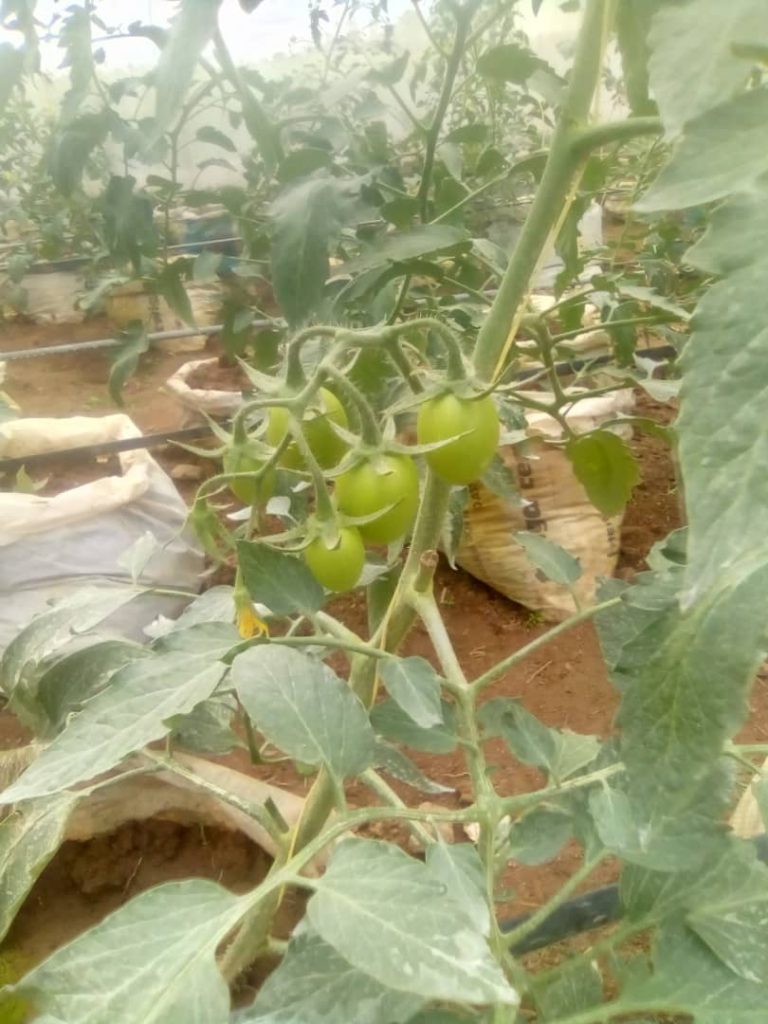
According to the World Food Programme, over 38 percent of Rwanda’s population lives in poverty, and nearly one-fifth is food insecure[1]. Smart agriculture in greenhouses can play a crucial role in addressing these challenges by:
- Enhancing Food Production: By optimizing growing conditions and extending growing seasons, smart greenhouses can significantly increase food production, ensuring a more stable and reliable food supply[2].
- Improving Crop Quality and Health: Precise control over climate and resource utilization leads to healthier crops with higher nutritional value[2]. This can help combat malnutrition, particularly among vulnerable children under five[1].
- Reducing Environmental Impact: Smart greenhouses use fewer resources and minimize waste, contributing to sustainable agricultural practices[2]. This is particularly important in Rwanda, where environmental sustainability is a key priority[1].
Conclusion
Smart agriculture in greenhouses offers a promising solution to tackle food insecurity in Rwanda. By leveraging advanced technologies to optimize growing conditions, enhance resource utilization, and extend growing seasons, smart greenhouses can significantly improve food production and crop quality. As Rwanda strives towards achieving zero hunger and sustainable development, adopting innovative agriculture practices will ensure a stable and nutritious food supply.
References
[1] Rwanda | World Food Programme: https://www.wfp.org/countries/rwanda
[2] Smart Greenhouses: Tech Explained – The Farming Insider: https://thefarminginsider.com/smart-greenhouses-tech/
[3] Rwanda’s commitment to food security | United Nations in Rwanda: https://rwanda.un.org/en/139662-rwanda%E2%80%99s-commitment-food-security
[4] A new project to improve food security and nutrition in Rwanda – MINAGRI: https://www.minagri.gov.rw/updates/news-details/a-new-project-to-improve-food-security-and-nutrition-in-rwanda
[5] Smart Greenhouses: IoT Technologies for Controlled Environments: https://terraconnect.io/blogs/smart-greenhouses-iot-technologies-for-controlled-environments/
[6] Smart Greenhouses: Advancements in Sustainable Farming: https://evolutionoftheprogress.com/smart-greenhouses/
[7] Modern Agriculture: Innovative Solutions to Combat Global Food Insecurity: https://www.doktar.com/en/blog/digital-agtech/modern-agriculture-innovative-solutions-to-combat-global-food-insecurity/
[8] Impact of climate-smart agriculture adoption on food security: https://agricultureandfoodsecurity.biomedcentral.com/articles/10.1186/s40066-022-00401-5
[9] Food Security and Agriculture: Technology, Policy, Choices: https://technologyandsociety.org/food-security-and-agriculture-technology-policy-choices/
