
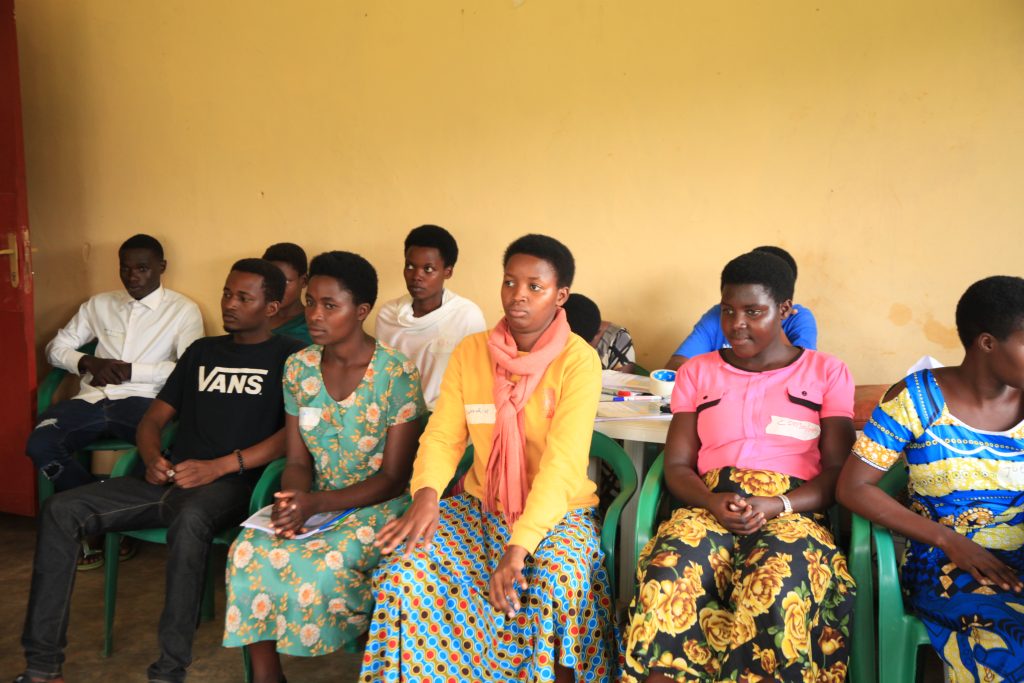
Youth unemployment remains a pressing challenge in Rwanda, particularly in rural areas where access to education, skills training, and employment opportunities is limited. The Government of Rwanda, in collaboration with international organizations and local NGOs like the Rwanda Organization for Development Initiatives (RODI), has implemented various initiatives to tackle this issue and empower rural youth.
Government Initiatives
The Rwandan government has launched several programs aimed at reducing youth unemployment:
- National Employment Programme (NEP): Established to create sufficient, adequately remunerative, and sustainable jobs across the economy, NEP focuses on equipping the workforce with vital skills and promoting entrepreneurship[1].
- Youth Economic Empowerment General Directorate: This body formulates and coordinates policies and programs supporting youth economic empowerment, including employment creation, entrepreneurship, and skills development. It leads initiatives that foster job creation by promoting employment centers, job desks, and self-employment opportunities, while conducting labor market analyses to identify trends and opportunities[2].
- Generation Unlimited Initiative: Launched to empower young people with skills and opportunities, this initiative aims to unleash their full potential, foster innovation, create jobs, and build a better Rwanda for all[3].
International Partnerships
International organizations have also contributed significantly to addressing youth unemployment in Rwanda:
- World Bank’s Priority Skills for Growth and Youth Empowerment (PSGYE) Program: This program aims to empower and build the skills of more than 200,000 youths in Rwanda, enhancing their employability and facilitating job creation[4].
- United Nations Development Programme (UNDP): The UNDP supports joint youth employment programs designed to achieve employment targets defined in Rwanda’s development strategies, focusing on skills development and creating decent employment opportunities, especially for youth and women in both urban and rural areas[5].
RODI Rwanda’s Contribution
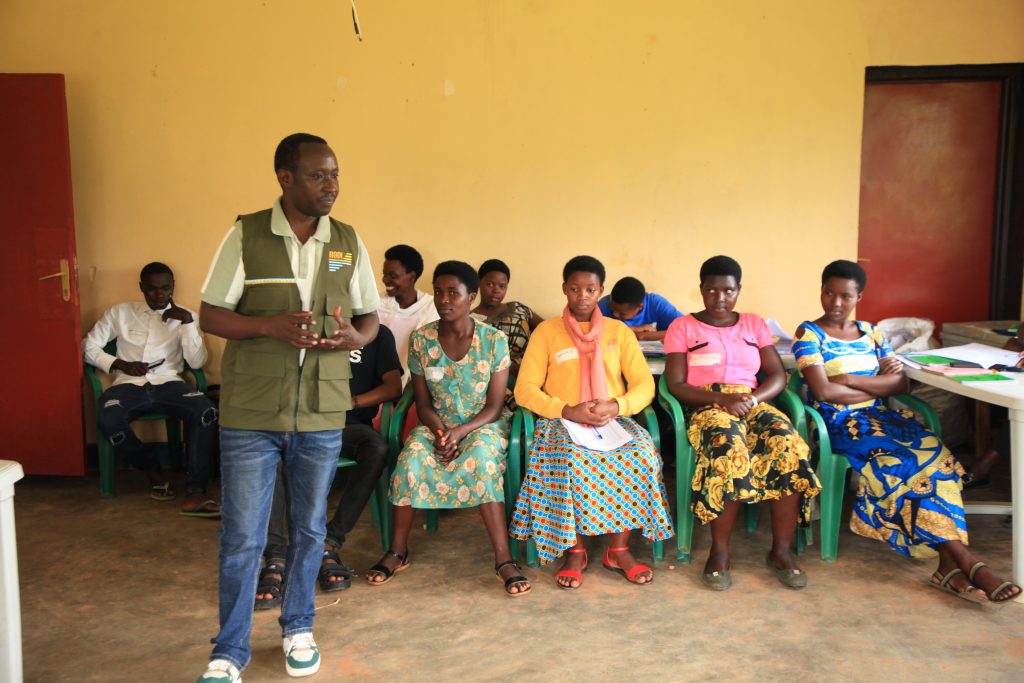
RODI Rwanda plays a pivotal role in supporting rural youth by equipping them with the skills and resources necessary to thrive. Their programs empower young people to create jobs, improve livelihoods, and become agents of change within their communities[6].
In partnership with international NGOs and the Government of Rwanda, RODI focuses on:
- Skills Development: Providing training in various vocational and technical skills tailored to the needs of the local labor market, enabling rural youth to access employment opportunities or start their own businesses.
- Entrepreneurship Support: Assisting young entrepreneurs in developing business plans, accessing financing, and navigating the challenges of starting and managing a business in rural areas.
- Agricultural Initiatives: Given the prominence of agriculture in rural Rwanda, RODI offers programs that enhance agricultural productivity and introduce innovative farming techniques, thereby creating employment opportunities within the agricultural sector.
Challenges and the Way Forward
Despite these efforts, challenges persist. Many rural youths are absorbed into the informal sector, which provides little protection against economic shocks and offers limited opportunities for advancement[6]. Addressing these challenges requires:
- Enhanced Coordination: Improving coordination between various youth employment programs for greater efficiency and increased partnership between public and private players[5].
- Increased Funding: Mobilizing resources to expand and sustain youth employment initiatives, ensuring that more young people, especially in rural areas, benefit from these programs.
- Policy Support: Developing and implementing policies that address the unique challenges faced by rural youth, including limited access to education, skills training, and financial services.
Conclusion
Addressing youth unemployment in Rwanda, particularly in rural areas, necessitates a multifaceted approach involving government initiatives, international partnerships, and the active participation of local organizations like RODI Rwanda. By equipping young people with the necessary skills, resources, and support, these initiatives aim to create sustainable employment opportunities, foster economic growth, and empower the youth to contribute meaningfully to their communities and the nation at large.
