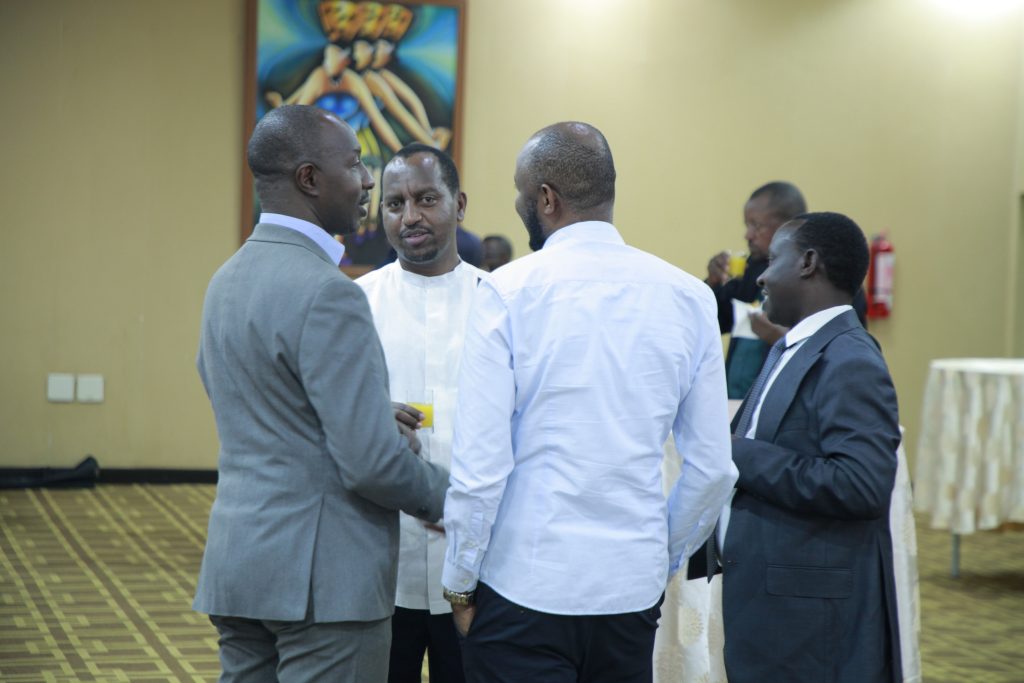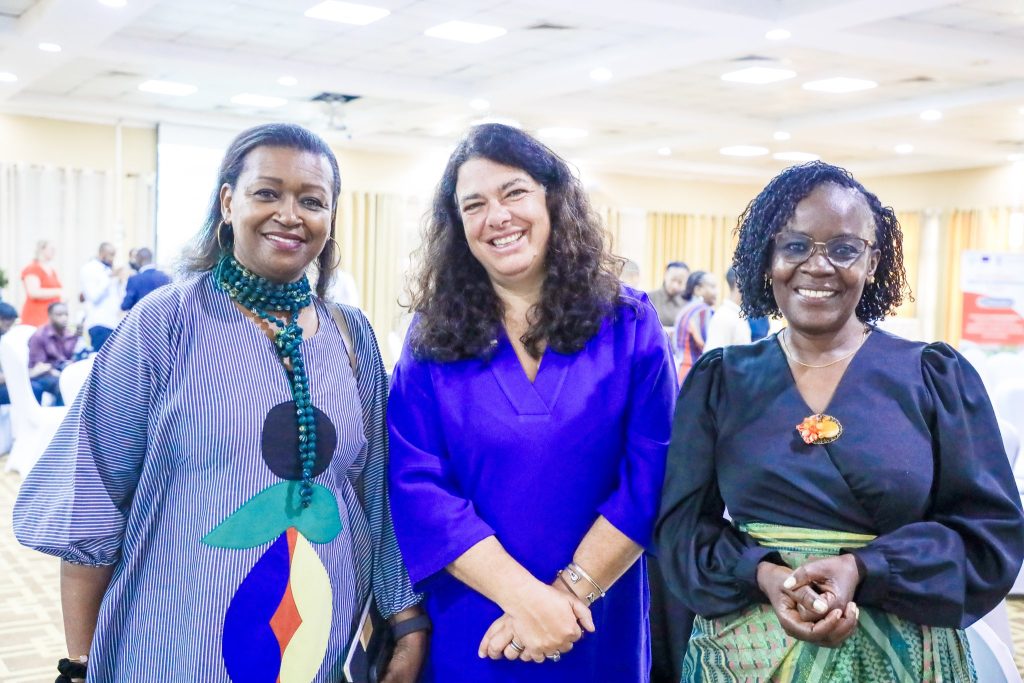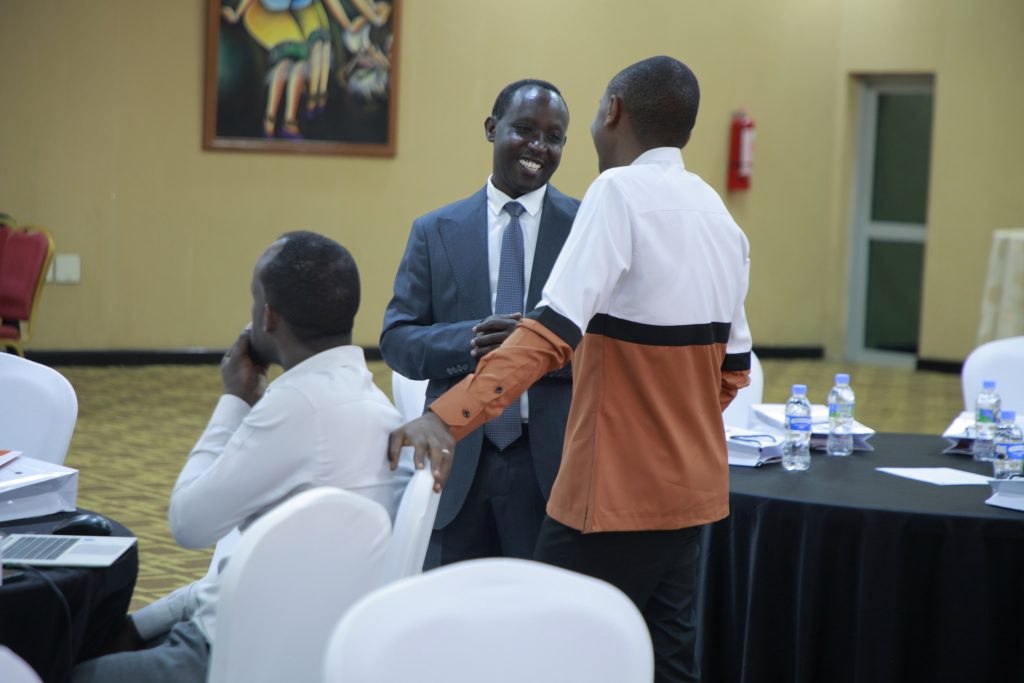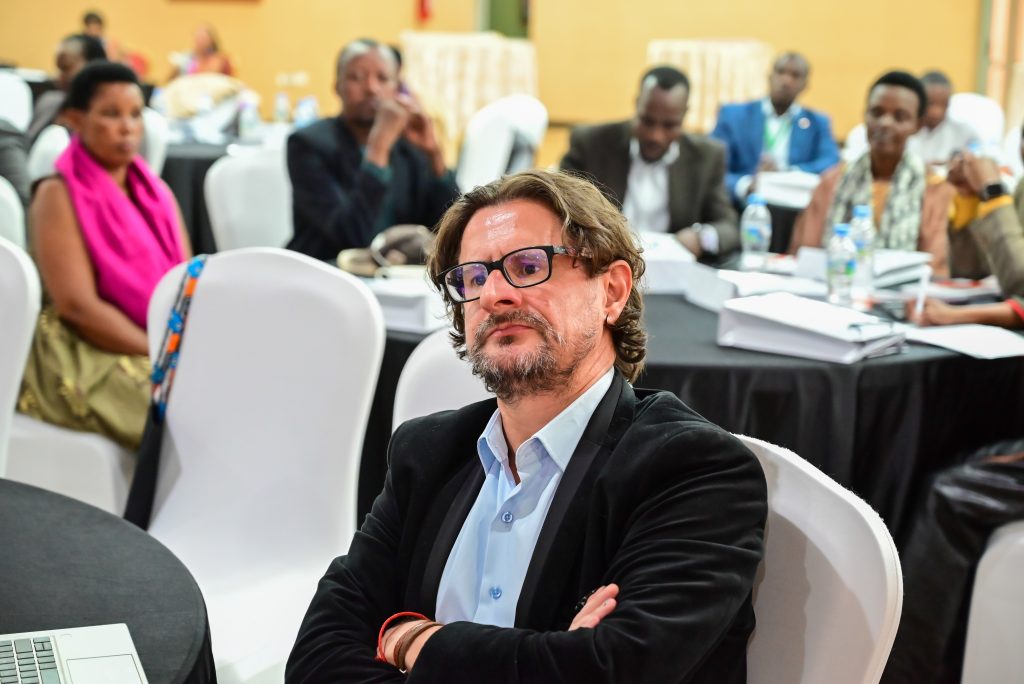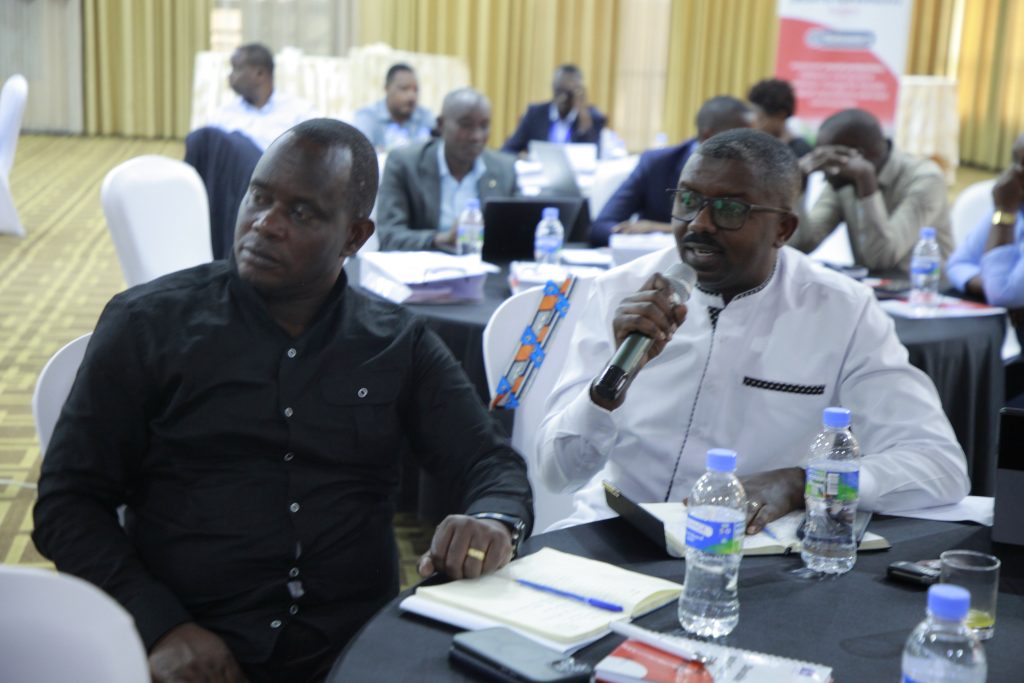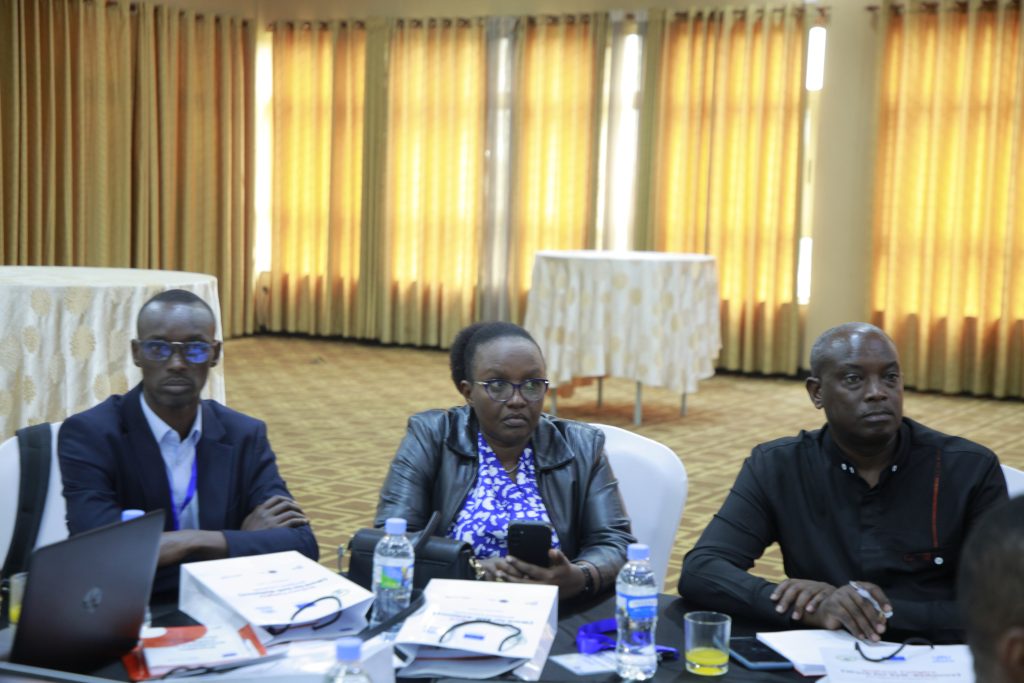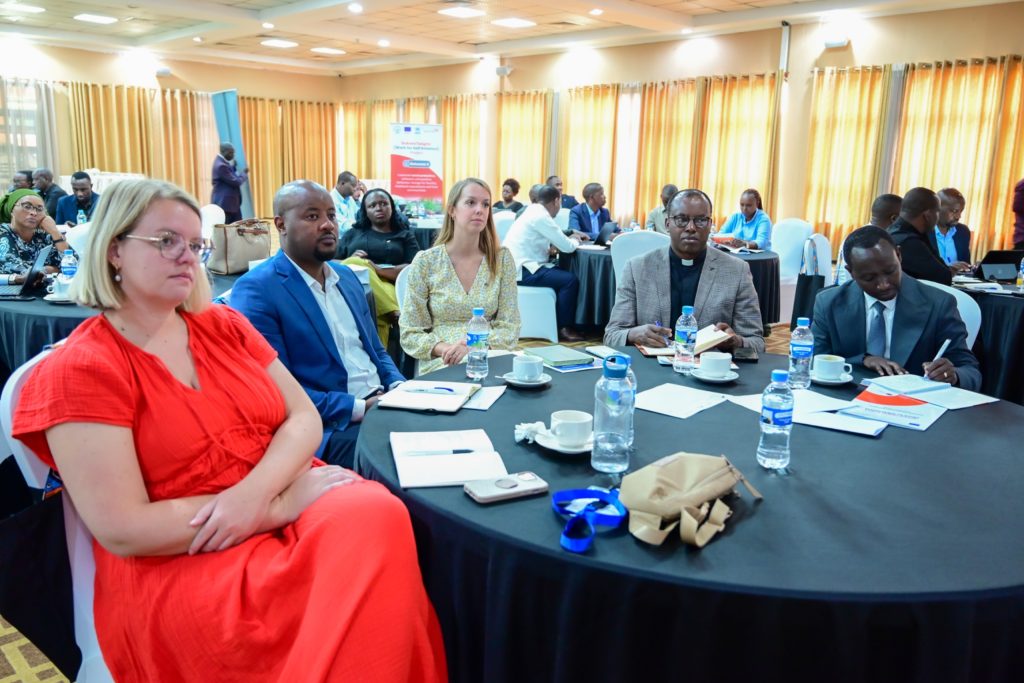
As partner Rwanda Organization for Development Initiatives (RODI), we were honored to stand alongside World Vision and Caritas Rwanda at the launch of the Dukore Twigire (Work for Self-reliance) Project—a multi-sector initiative designed to create pathways to self-reliance and resilience for forcibly displaced populations and their host communities. The event brought together government leaders, development partners, UN agencies, financial institutions, civil society, media, and community representatives for a forward-looking conversation on durable solutions grounded in the Ultra-Poor Graduation (UPG) model.
Background of the Dukore Twigire (Work for Self-reliance) Project
The Dukore Twigire Project (DTP), meaning “Work for Self-reliance”, is a transformative initiative aimed at creating durable solutions for forcibly displaced populations and their host communities in Rwanda. Funded by the Directorate General International Partnerships (DG INTPA) of the European Union and implemented by a consortium of World Vision, Caritas Rwanda, and the Rwanda Organization for Development Initiatives (RODI), the project focuses on refugee camps—Mugombwa, Kigeme, Nyabiheke and Kiziba—and their surrounding host communities.
Its primary goal is to empower 2,133 households, comprising 70% refugees and 30% host community members, to graduate from extreme poverty and achieve sustainable self-reliance, with at least 70% of these households expected to meet graduation benchmarks. Guided by the Ultra-Poor Graduation (UPG) model, the project delivers sequenced interventions that address both economic and social dimensions of poverty.
The Dukore Twigire Project is anchored on four integrated pillars:
- Social Protection
- Livelihood Promotion
- Financial Inclusion
- Social Empowerment
These pillars encompass a range of support, including consumption assistance, crisis relief, access to health and education, asset or cash transfers, technical and business skills training, market linkages, savings and credit services, financial literacy, life skills training, and community integration activities—all underpinned by a strong commitment to gender equality.
By combining economic empowerment, social protection, and inclusive community engagement, the Dukore Twigire Project seeks to overcome challenges such as legal restrictions, limited livelihood opportunities, and social exclusion faced by refugees, while also addressing resource pressures and economic vulnerabilities in host communities. This integrated approach ensures that both refugees and host families can thrive together and build resilient, self-reliant futures.
A Word of Prayer
The launch opened with a solemn word of prayer, inviting unity of purpose and a spirit of service to guide the day’s proceedings. Fr. Oscar KAGIMBURA reminded participants of the dignity and resilience of families we serve—especially those navigating displacement and vulnerability. The prayer underscored the importance of compassionate action, collective responsibility, and the ethical stewardship of resources entrusted to the consortium. It set an inclusive tone that honored the faith, identity, and hope of all communities present.
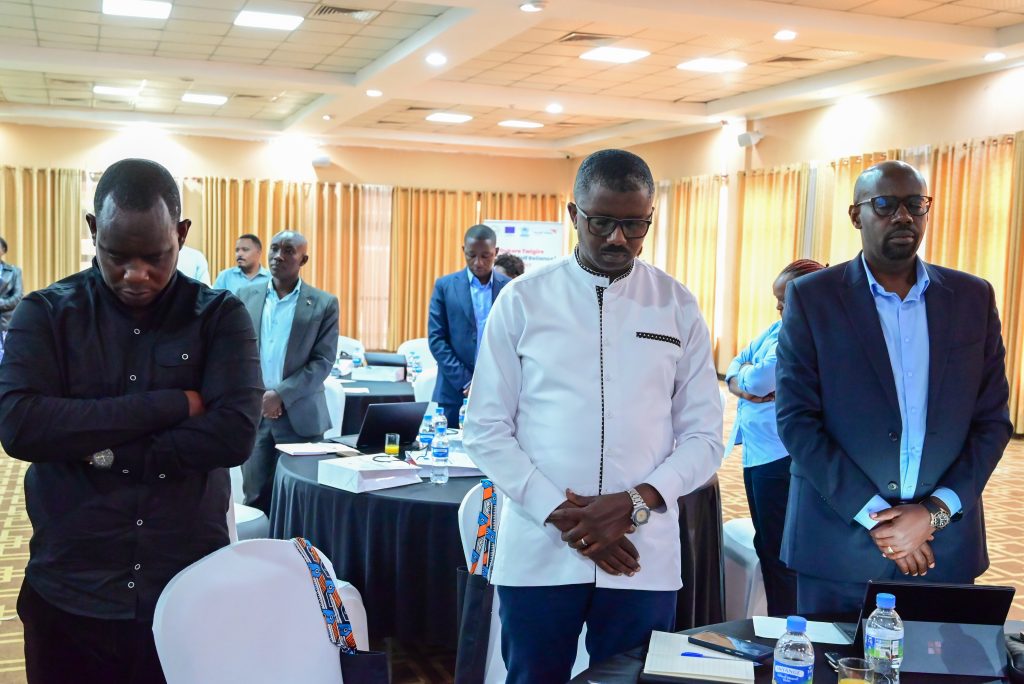
Figure 1: we start with the opening prayer at the Dukore Twigire Project launch.
Welcome Remarks
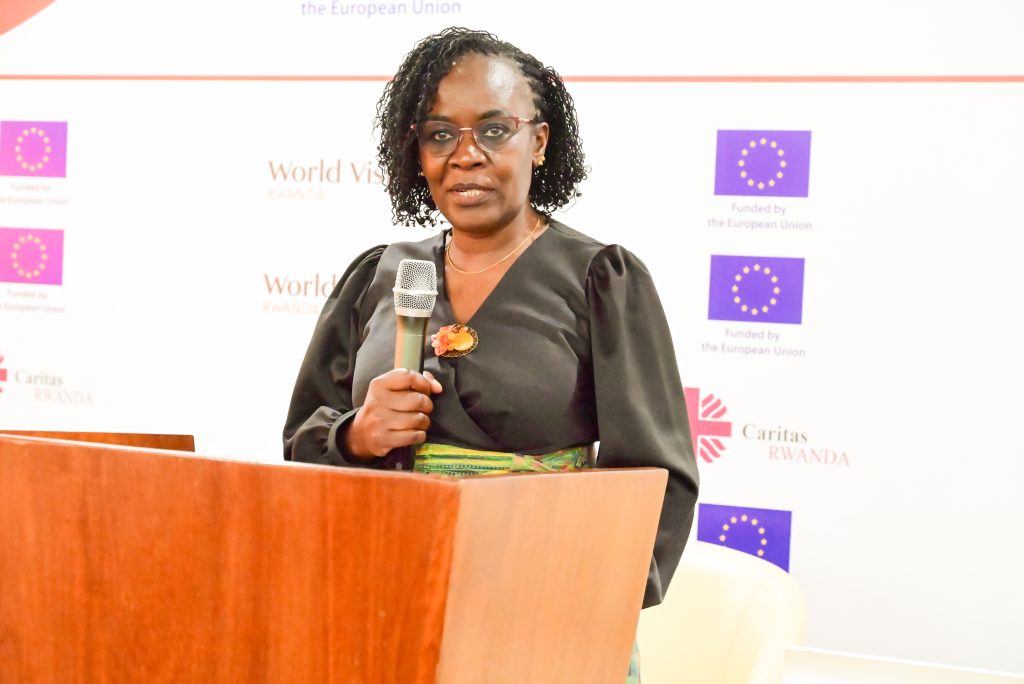
Figure 2: Ms. Pauline OKUMU delivers welcome remarks at the Dukore Twigire (Work for Self-reliance) Project launch.
After praying, Ms. Pauline OKUMU warmly welcomed all participants, acknowledging representatives from MINEMA, UNHCR, the EU Delegation consortium partners World Vision Rwanda Caritas Rwanda and RODI, the media, and community delegates. She expressed gratitude to DG INTPA for catalytic support enabling this transformative initiative. where affirmed the shared commitment to durable solutions, emphasizing that the Dukore Twigire (Work for Self-reliance) Project. Concluding her remarks, she invited all stakeholders to embrace the journey ahead with urgency and hope, reminding participants that sustainable change is possible when dignity, agency, and inclusion are placed at the center.
Opening Remarks & Overview of the Dukore Twigire (Work for Self-reliance) Project
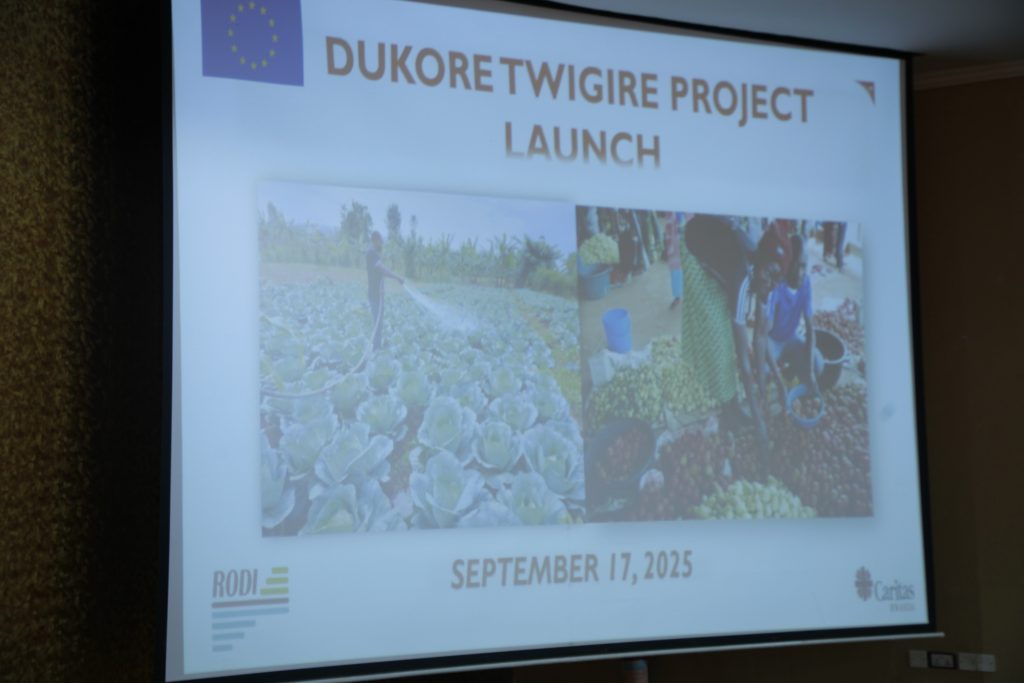
The project overview contextualized DTP’s vision, the consortium structure, the UPG methodology, and the result targets. Participants heard how the program will target 2,133 households (70% refugees & 30% Rwandans in host communities) and ensure at least 70% graduate from extreme poverty through a sequenced package of support, coaching, and market integration.
Key elements included:
- Geographic Focus: Mugombwa, Kigeme, Nyabiheke and Kiziba refugee camps and host communities.
- Approach: Time-bound UPG with coaching, consumption support, asset/cash transfers, skills training, market linkages, savings, credit/insurance, and social empowerment.
- Consortium & Roles: World Vision (lead), Caritas Rwanda, RODI—bringing complementary strengths in community mobilization, livelihoods, safeguarding, and systems engagement.
- Safeguarding & Gender: Strong emphasis on protection, GBV prevention, inclusive participation, and youth engagement.
- MEAL & Graduation Criteria: Clear graduation benchmarks and monitoring for income, assets, food security, financial behaviors, and psychosocial well-being.
Panel Discussion_ Graduation to Durable Solutions: Addressing Challenges and Exploring Opportunities for Refugees through the Ultra-Poor Graduation Strategy
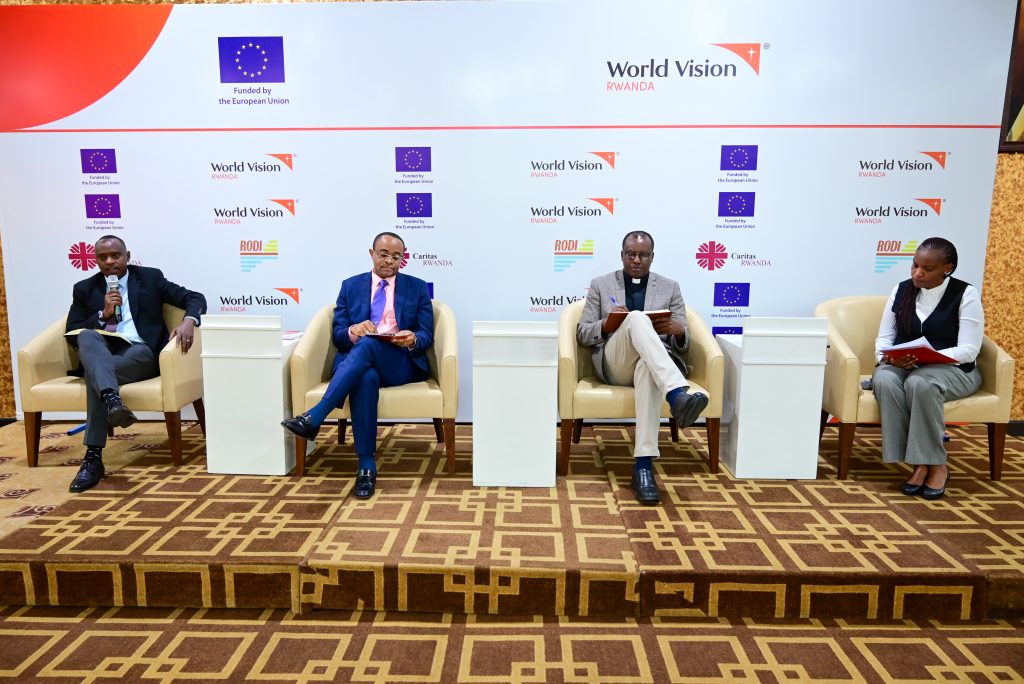
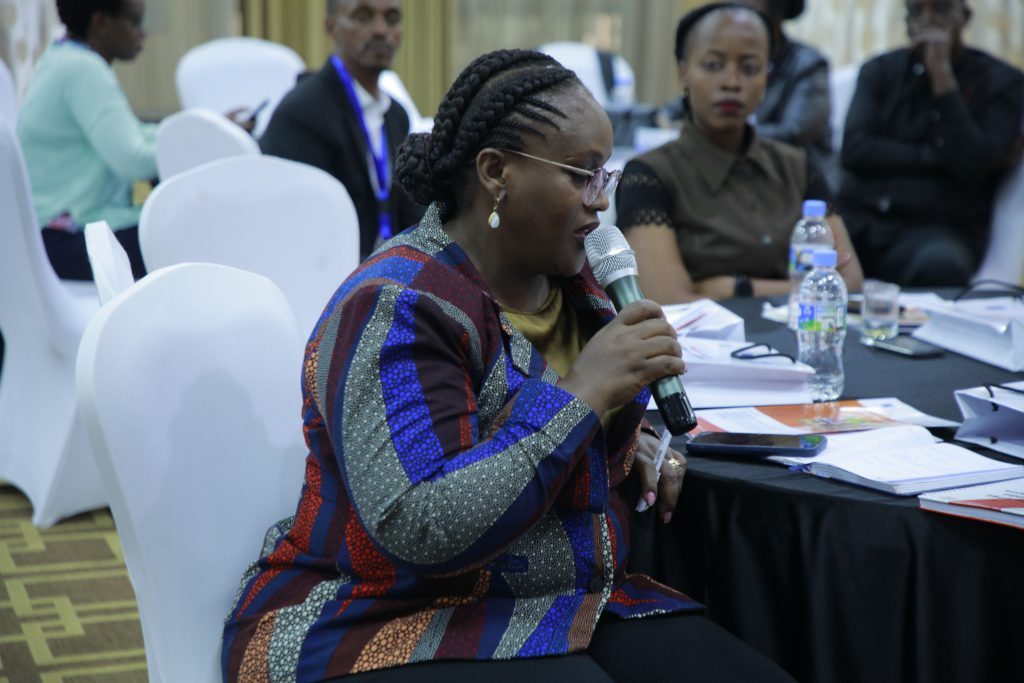
The discussion was talking about the unique challenges that arise when applying the Ultra-Poor Graduation (UPG) strategy in refugee contexts compared to host community settings. Refugee environments often present legal restrictions, mobility limitations, documentation gaps, and market-access constraints, which significantly differ from the conditions in host communities. These barriers, combined with aid dependency risks, limited productive assets, and restricted employment opportunities, can make graduation timelines more complex and prolonged.
In contrast, host communities—while generally enjoying greater mobility and legal documentation—face their own challenges such as market volatility, climate shocks, and credit constraints. Panelists emphasized the importance of tailoring UPG sequencing, implementing risk mitigation strategies, and strengthening policy engagement to ensure that both refugees and host households have equitable pathways to self-reliance.

Figure 3: Mr. Innocent MUGABE_SPIU Coordinator – MINEMA highlights policy and systems considerations for UPG in refugee settings.
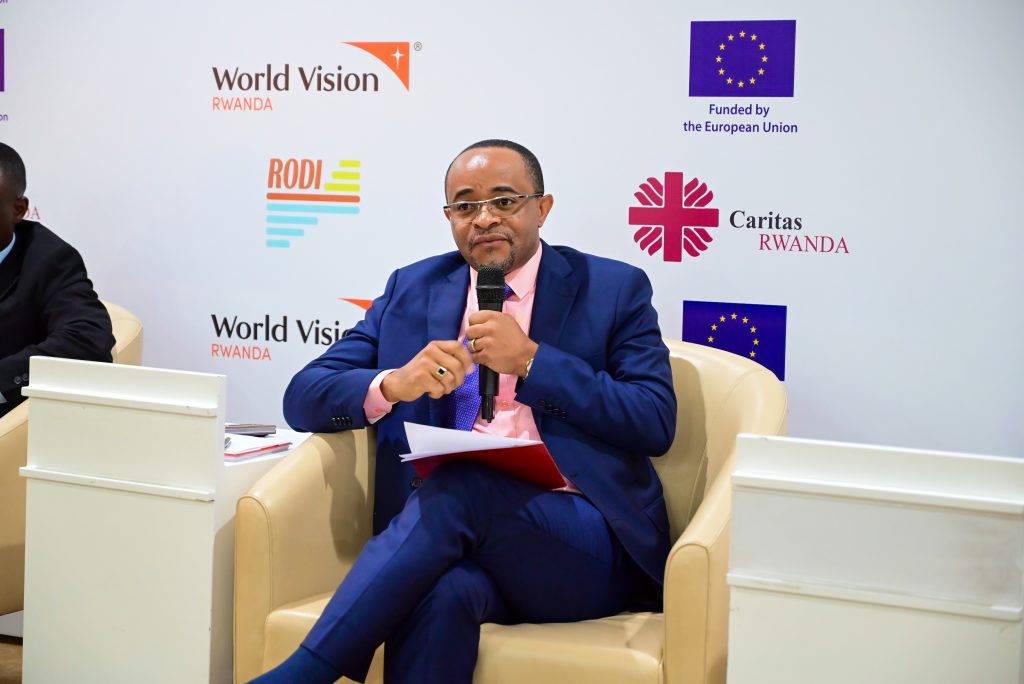
Figure 4: Mr. Solomon TARKANG_Representative – UNHCR Rwanda discusses protection, inclusion, and enabling environments for refugee self-reliance.
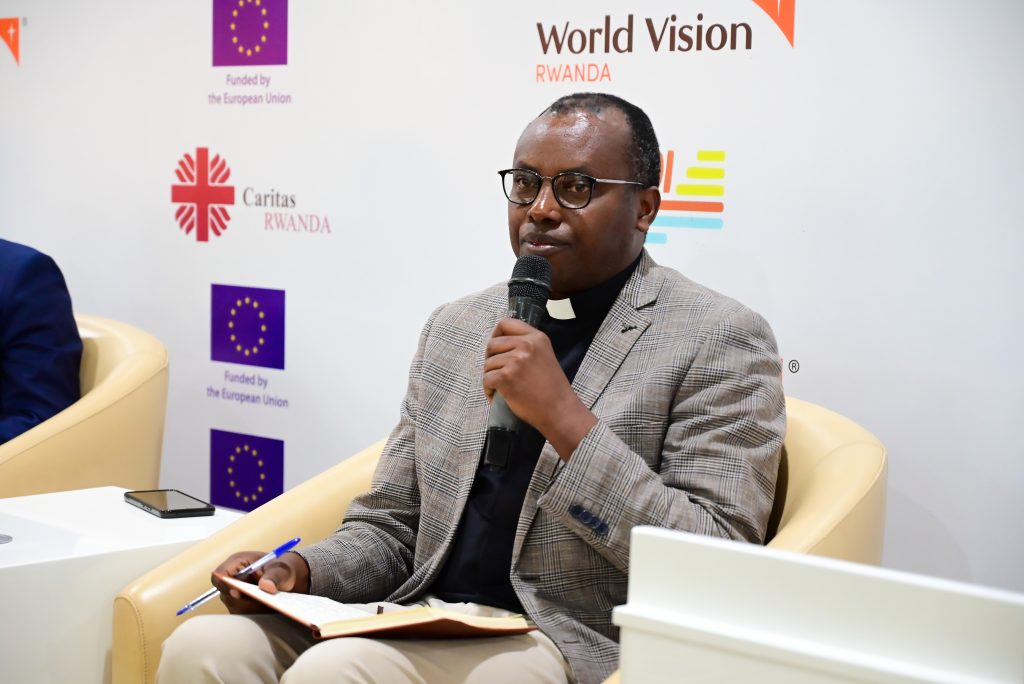
Figure 5: Fr. Oscar KAGIMBURA_Secretary General – Caritas Rwanda describes how social empowerment and coaching reinforce UPG outcomes.
Remarks by H.E. Ambassador Belen Calvo UYARRA
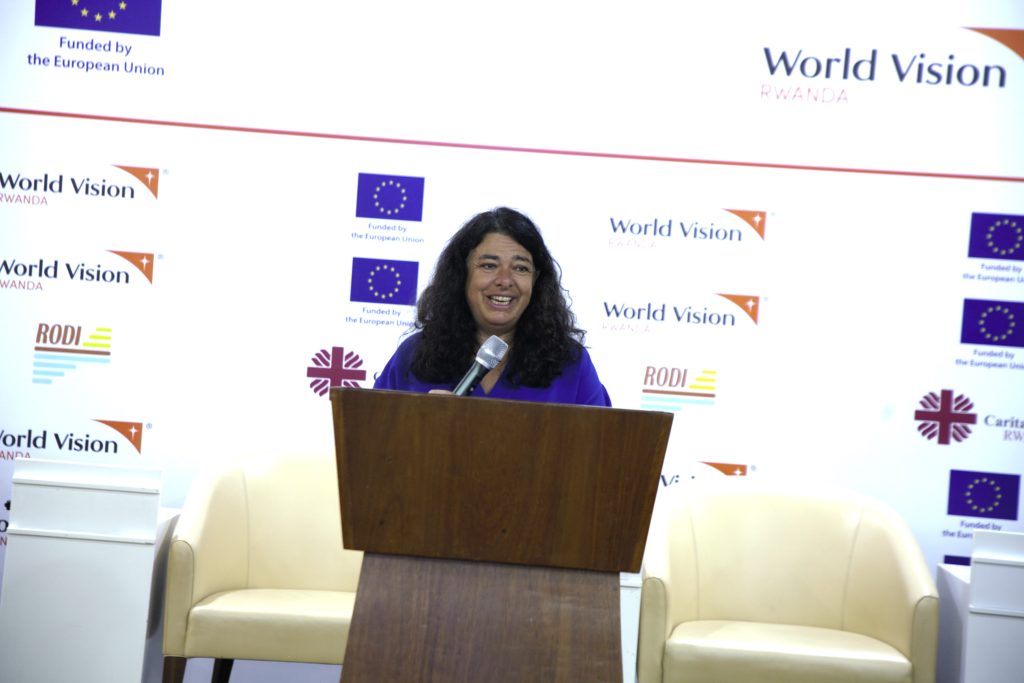
Figure 6: H.E. Ambassador Belen Calvo UYARRA delivers remarks on EU partnership and durable solutions.
H.E. Ambassador Belen Calvo UYARRA, Head of Cooperation – EU Delegation in Rwanda shared insights on the EU’s commitment to resilience, inclusion, and livelihoods within humanitarian–development–peace (HDP) linkages. She commended the consortium’s UPG approach for its evidence-based, multi-sector orientation and emphasis on gender equality and youth empowerment. The Ambassador reminded all stakeholders to coordinate efforts, amplify local ownership, and align with national systems to ensure sustainability and scale. Her remarks underscored the EU’s belief that self-reliance is both dignifying and transformative.
Official Speech by the Guest of Honor
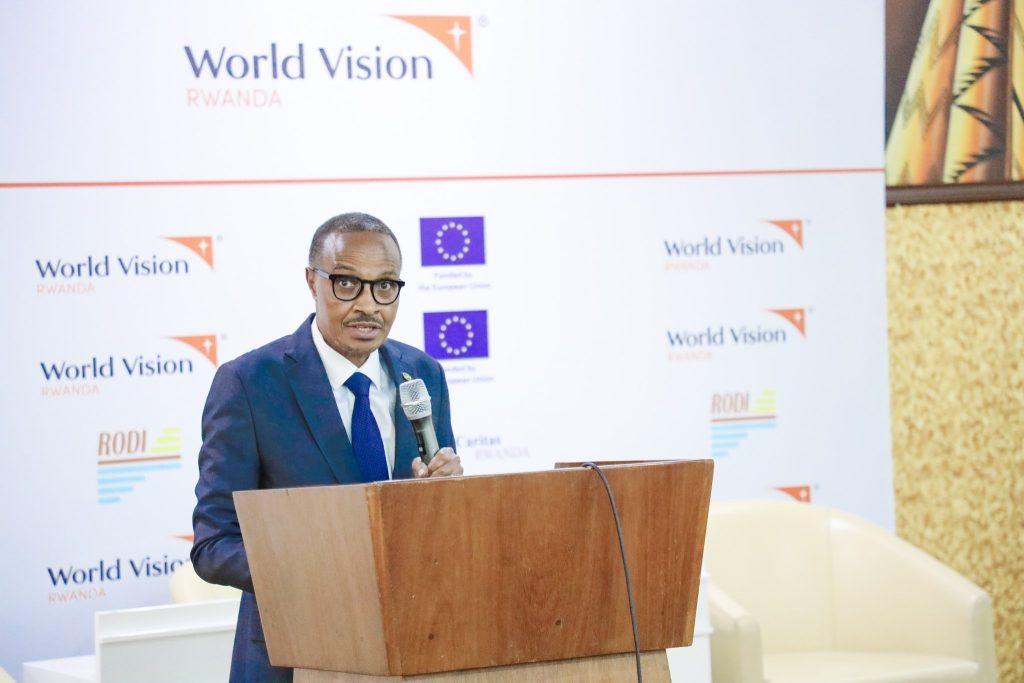
Figure 7: Hon. Maj. Gen (Rtd) Albert MURASIRA, Minister in Charge of Emergency Management (MINEMA) delivers the Guest of Honor address.
Hon. Maj. Gen (Rtd) Albert MURASIRA, Minister in Charge of Emergency Management (MINEMA) commended the Dukore Twigire (Work for Self-reliance) Project for aligning with national priorities on refugee protection, resilience, and economic inclusion. He emphasized the imperative of inter-ministerial coordination, district-level integration, and data-driven targeting to ensure outcomes that endure beyond project timelines. The Guest of Honor highlighted the importance of UPG’s sequenced support, market integration, and financial inclusion to catalyze self-reliance among both refugee and host households. He called on partners to sustain accountability, local partnership, and inclusive participation throughout implementation.
Official Launch of the Dukore Twigire (Work for Self-reliance) Project
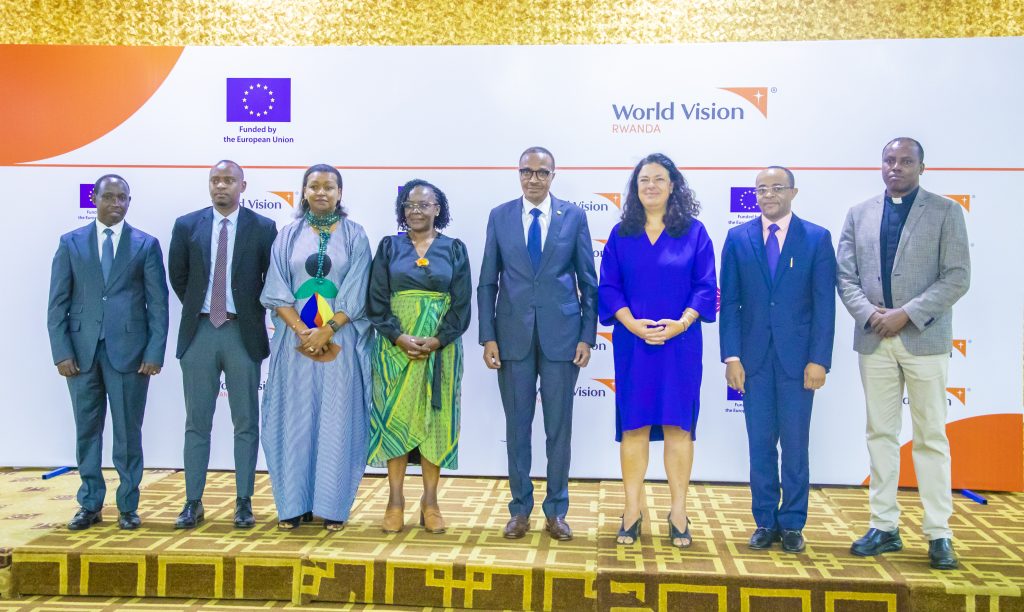
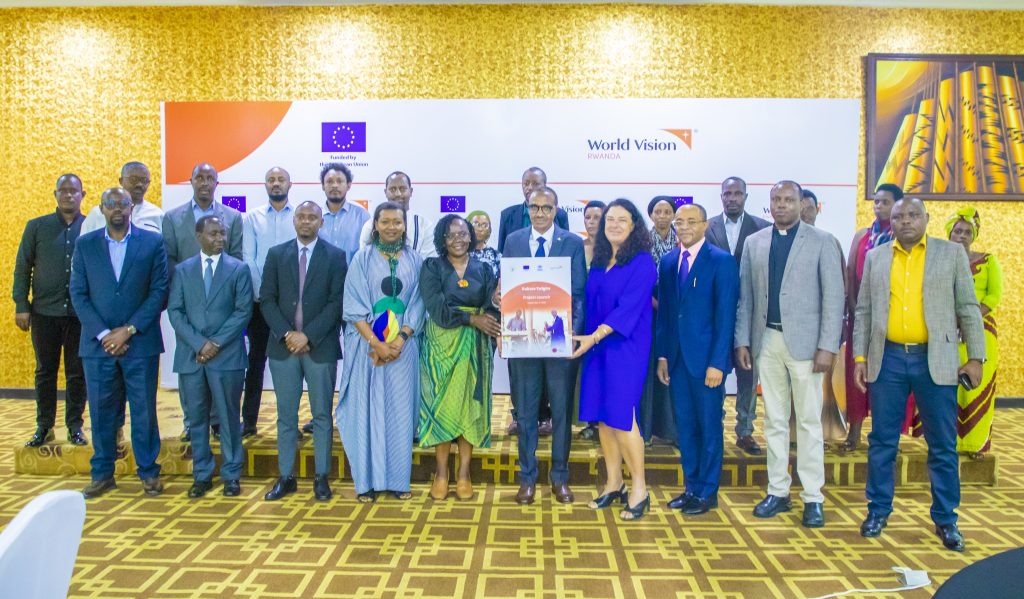
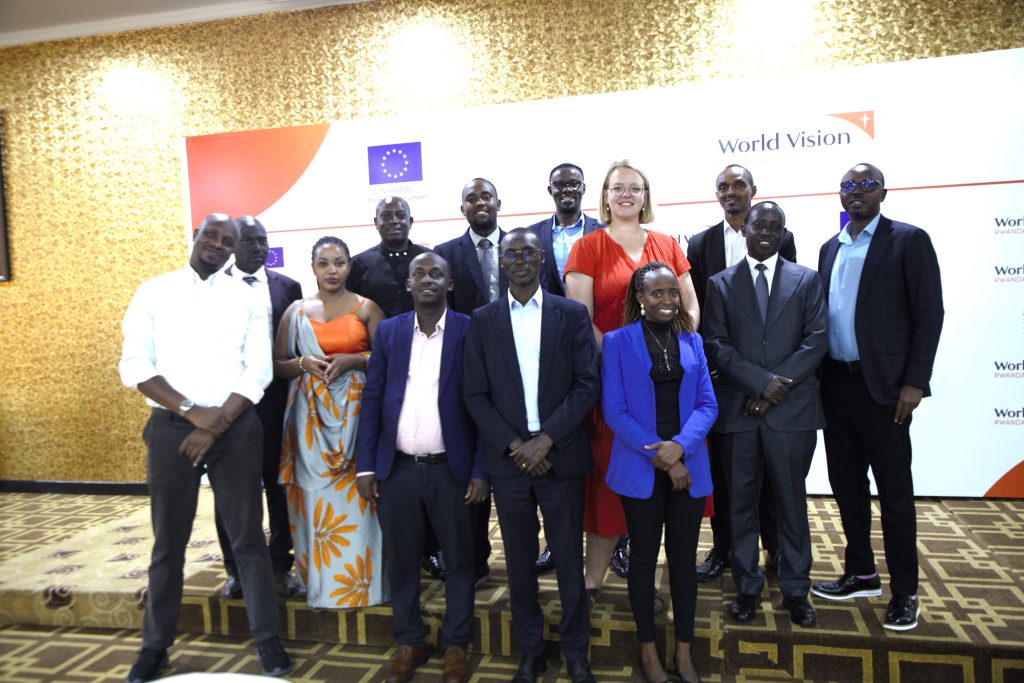
Figure 8: Group photo of the Official launch ceremony of the Dukore Twigire Project with Leaders, all Consortium and stakeholders.
The official launch of the Dukore Twigire (Work for Self-reliance) Project brought together leaders and partners in a powerful display of shared commitment to creating pathways for self-reliance and resilience. The ceremony was officially launched by the Guest of Honor, Hon. Maj. Gen (Rtd) Albert MURASIRA, Minister in Charge of Emergency Management (MINEMA) and graced by key dignitaries, including H.E. Belen Calvo UYARRA, Head of Cooperation at the EU Delegation in Rwanda; Mr. Solomon TARKANG, Deputy Representative of UNHCR Rwanda; and Ms. Pauline OKUMU, National Director of World Vision Rwanda. Also present were the implementing partners, including Executive Director of RODI, UWIMANA Chrysostome, Fr. Oscar KAGIMBURA_Secretary General – Caritas Rwanda, and other strategic stakeholders. This moment symbolized a united effort to advance social protection, livelihood promotion, financial inclusion, and social empowerment—the four pillars guiding the Ultra-Poor Graduation model toward durable solutions for refugees and host communities.
Vote of Thanks & Closing
In closing, appreciation was extended to DG INTPA, MINEMA, EU Delegation, UNHCR, , World Vision, Caritas Rwanda, RODI, district authorities, community leaders, and the media. Special thanks went to panelists, the moderator, and participants for a constructive, solutions-oriented dialogue. The event concluded with an invitation to connect, collaborate, and coordinate—ensuring that every household supported by DTP is empowered to graduate from extreme poverty and move confidently toward self-reliance.