
Introduction
On 27th, September 2025, we successfully held the Rusizi Out-of-School Children and Youth (OOSCY) boot camps at seven sites across 11 sectors of intervention. This initiative is a collaborative effort with consortium partners including Rwanda Organization for Development Initiatives (RODI), The Umbrella of Organizations of Persons with Disabilities in the Fight against HIV/AIDS & for Health Promotion (UPHLS), and Action pour le développement du Peuple (ADEPE).
The program is implemented by Cambridge Education under the Learning and Inclusion for Transformation (LIFT) project, and is funded by the UK’s Foreign, Commonwealth & Development Office. Key partners supporting the program include the Rwanda Basic Education Board (REB), the National Examination and School Inspection Authority (NESA), and the Rusizi District.
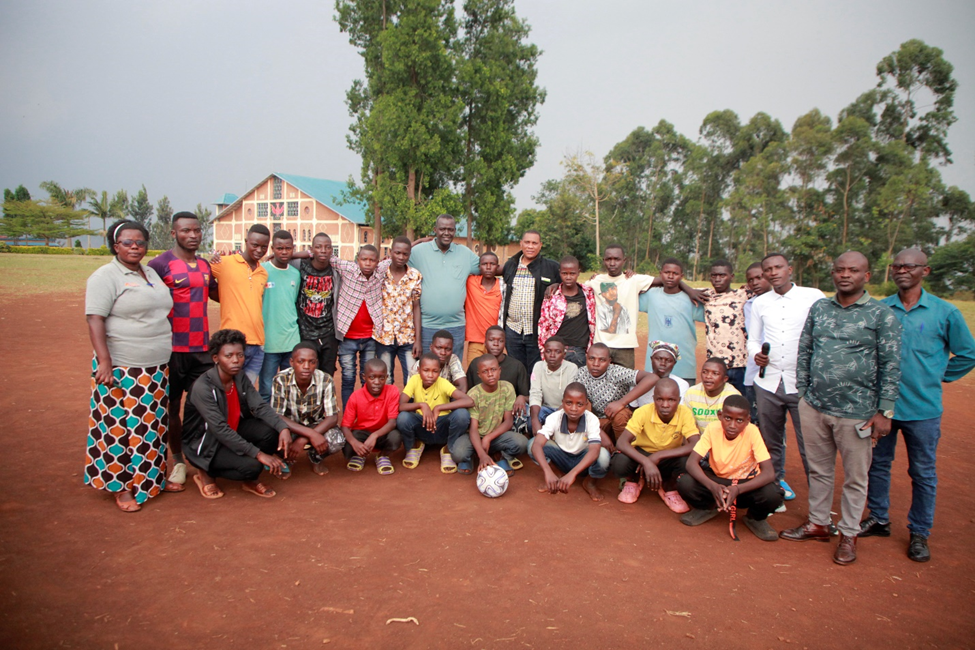
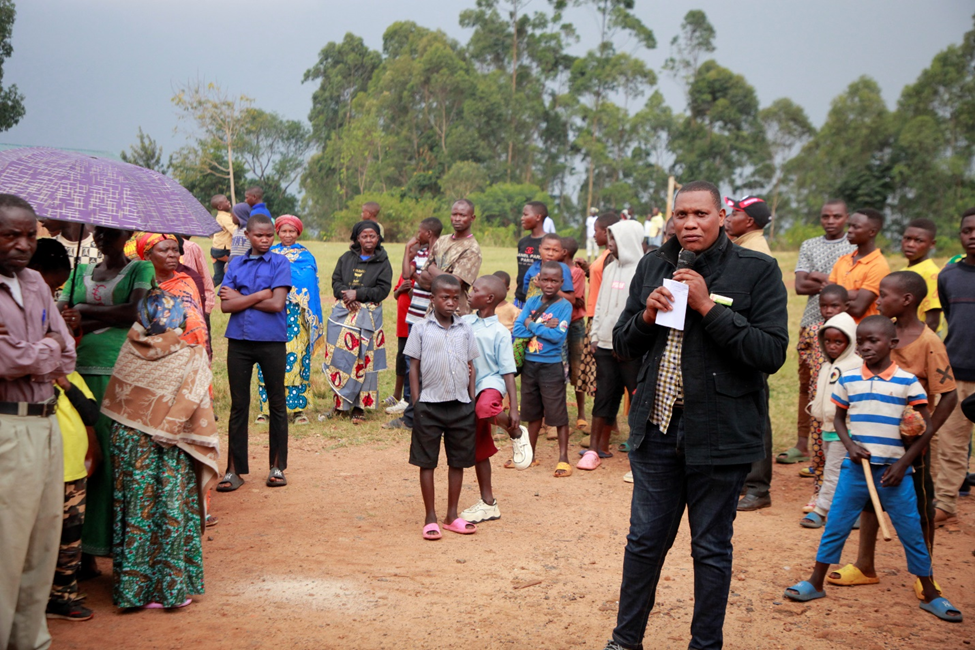
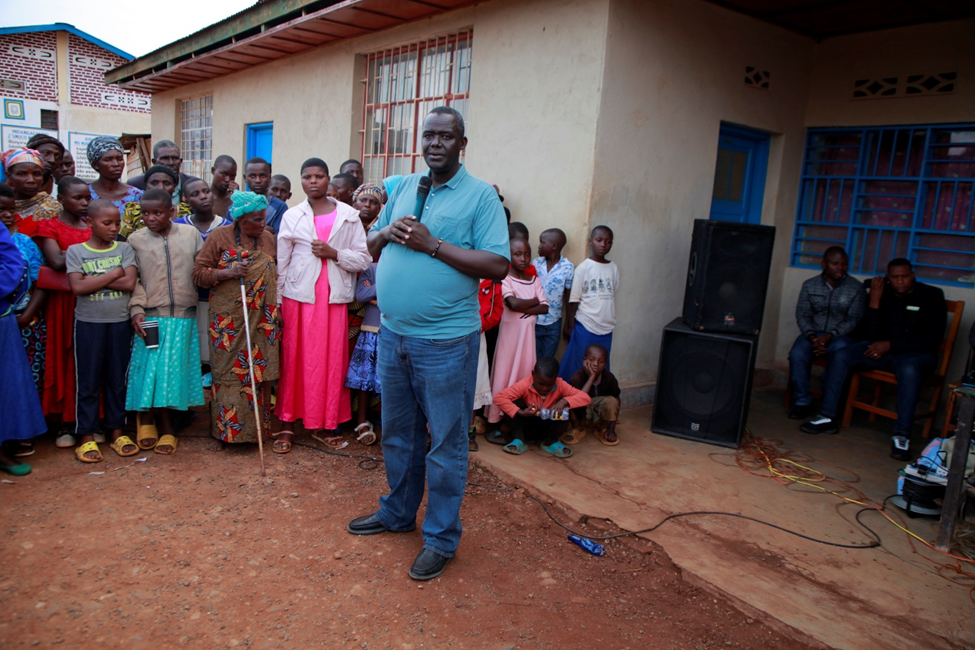
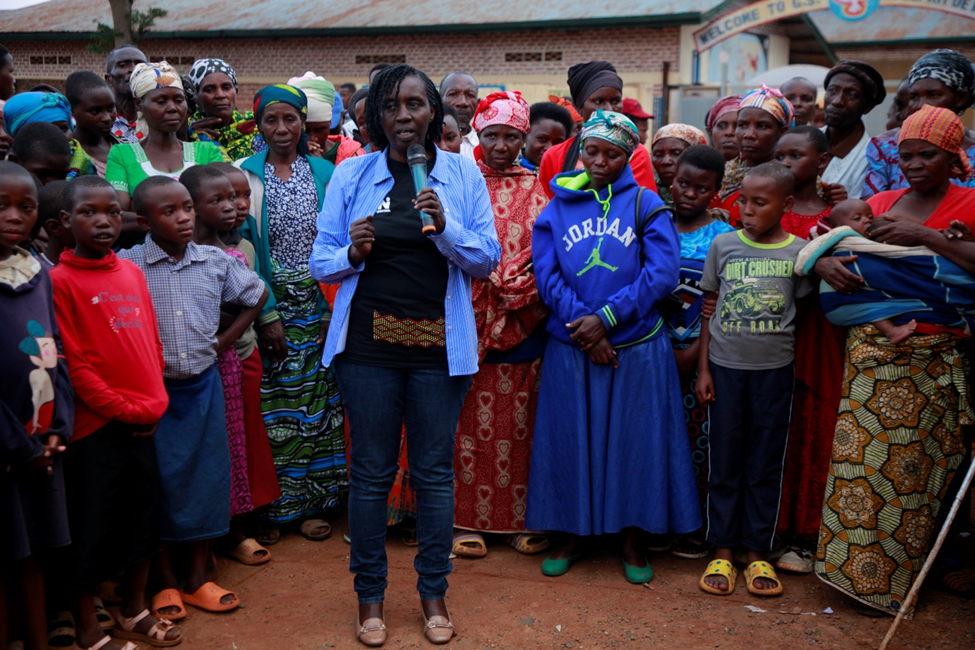
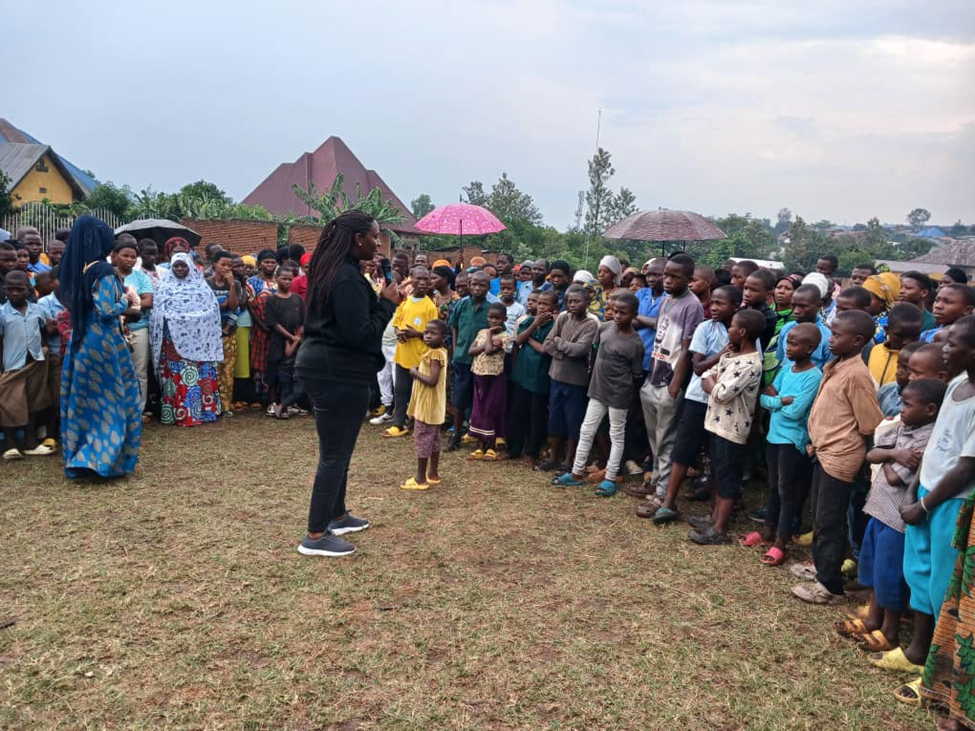
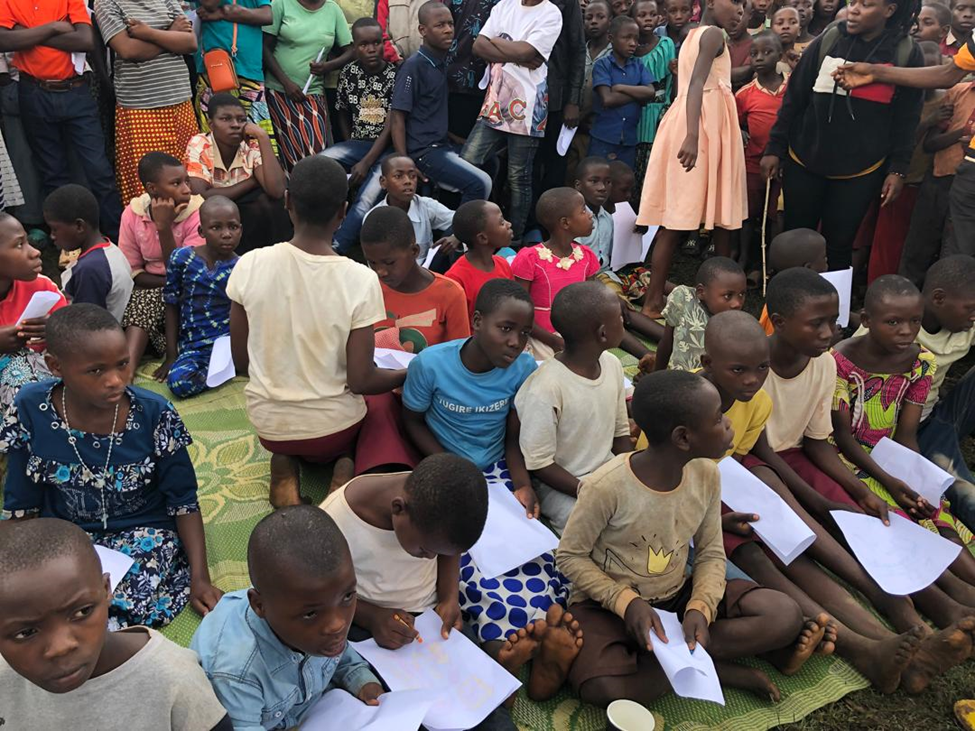
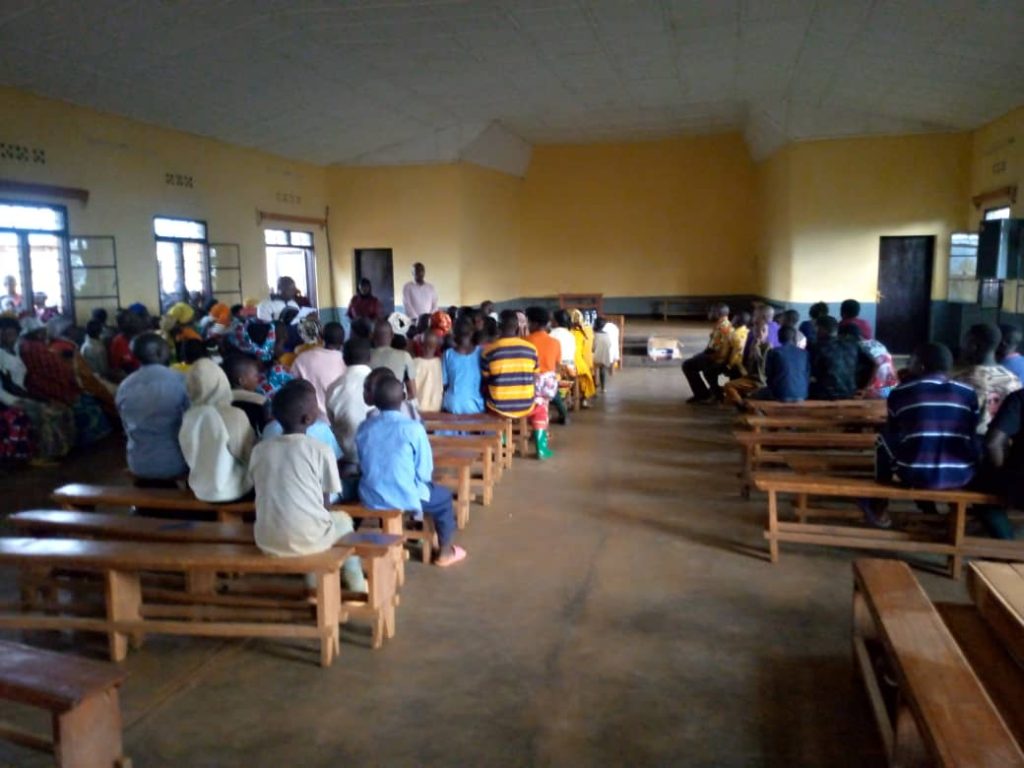
The purpose of these boot camps is to provide intensive support to OOSCY to prepare them for reintegration into formal schooling, Accelerated Learning Programs (ALPs), or vocational training. The day was filled with a variety of engaging activities, including games, music, and dance competitions where children showcased their talents. We also had messages from parents, guardians, and school leaders who shared encouraging words to motivate the children. The event was participatory and focused on building the confidence, resilience, and positive attitudes of the participants toward learning.
Purpose of the Boot Camp
The primary purpose of the Rusizi Out-of-School Children and Youth (OOSCY) Boot Camps was to provide intensive transition support for children and youth who have been out of school. These camps aimed to:
- Equip Out-of-School Children and Youth (OOSCY) with the confidence, resilience, and positive mindset needed to return to formal education, Accelerated Learning Programs (ALPs), or vocational training.
- Sensitize parents and guardians on the importance of education and their role in supporting their children’s reintegration.
- Create a participatory and fun environment that fosters engagement and motivation for learning.
Boot Camp Sites and Highlights
1. Rwimbogo, Nzahaha, and Gashonga (G.S. Mushaka Site)
This site brought together children from three sectors for an engaging and interactive session. Activities included games, music, and dance competitions that helped build confidence and teamwork among participants. Parents and guardians shared inspiring testimonies about the benefits of education, while mentors guided discussions on overcoming barriers to schooling. The event emphasized resilience and the importance of community support in ensuring every child returns to school. The atmosphere was vibrant, filled with hope and renewed determination.

2. Bugarama and Muganza (Gakoni Football Ground)
At Gakoni Football Ground, sports were used as a powerful tool to teach discipline, teamwork, and perseverance. Children participated in football matches and group discussions that linked these values to academic success. Facilitators encouraged participants to set personal goals for returning to school or joining vocational programs. Parents were actively involved, pledging to support their children’s educational journey. The session ended with motivational talks from local leaders, reinforcing the message that education is the key to a brighter future.
3. Gitambi and Nyakabuye (E.P Mashyuza)
The boot camp at E.P. Mashyuza focused on creativity and talent development as a way to inspire learning. Children showcased their art, music, and storytelling skills, demonstrating that education nurtures diverse talents. Facilitators engaged participants in discussions about how education can open doors to opportunities beyond academics. Parents were encouraged to recognize and support these abilities as part of holistic development. The event created a joyful and inclusive environment where every child felt valued and motivated.

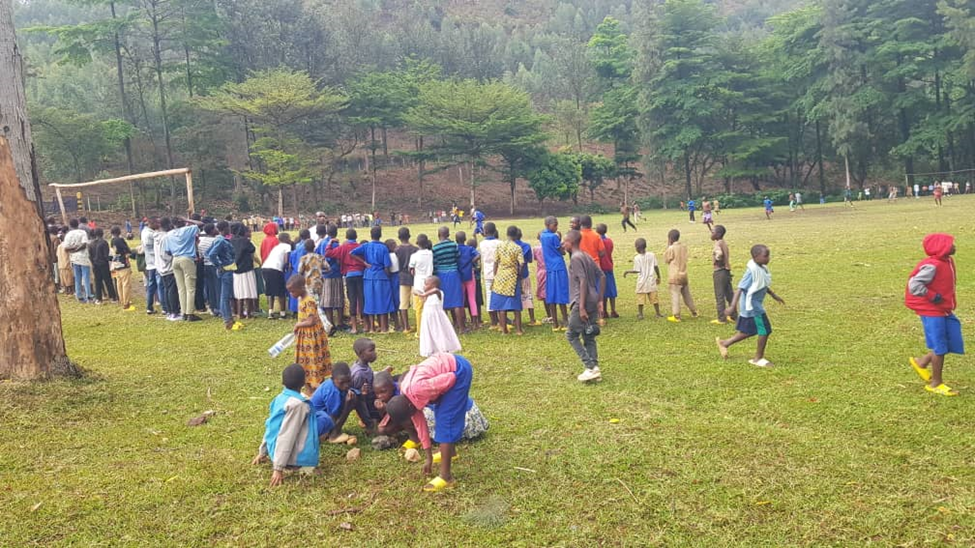
4. Gikundamvura (Gihomba Football Ground)
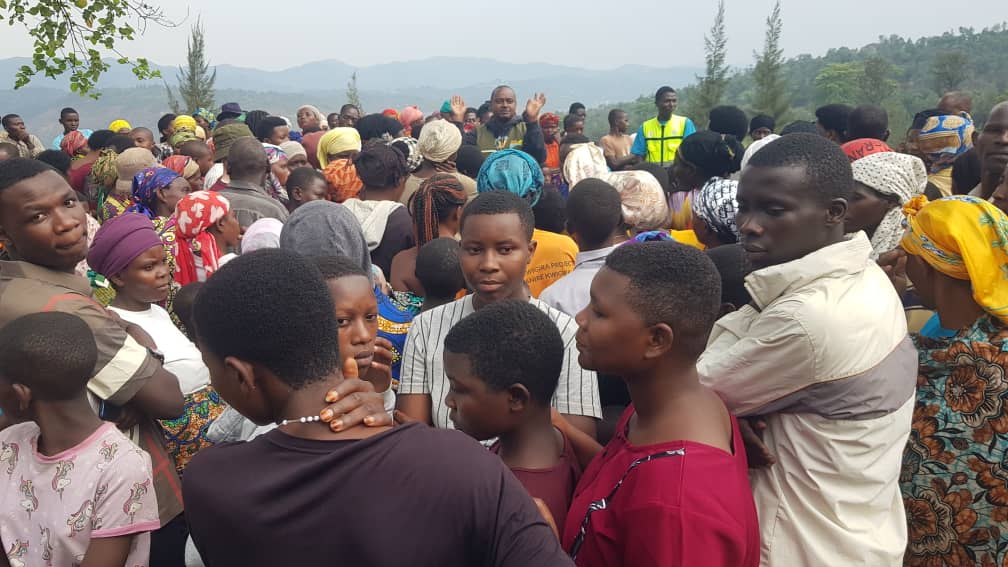
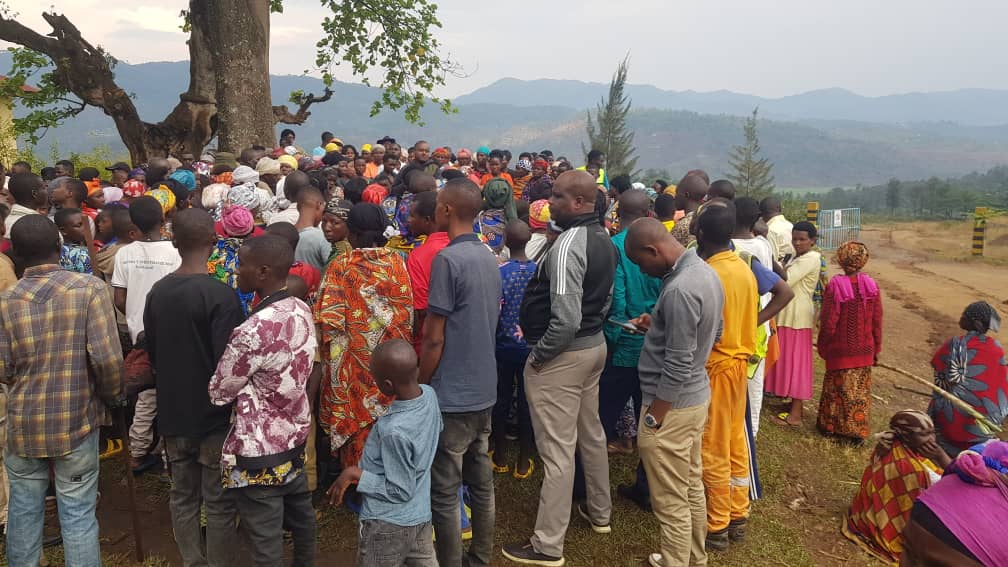
At Gihomba Football Ground, the emphasis was on building confidence and social skills through interactive games and pair-sharing exercises. Children were encouraged to express their dreams and aspirations, while mentors provided guidance on practical steps for rejoining school. The session also included testimonies from role models who had overcome similar challenges, inspiring participants to believe in second chances. Parents actively participated in discussions, committing to support their children’s education. The day ended with cultural performances that celebrated unity and learning.
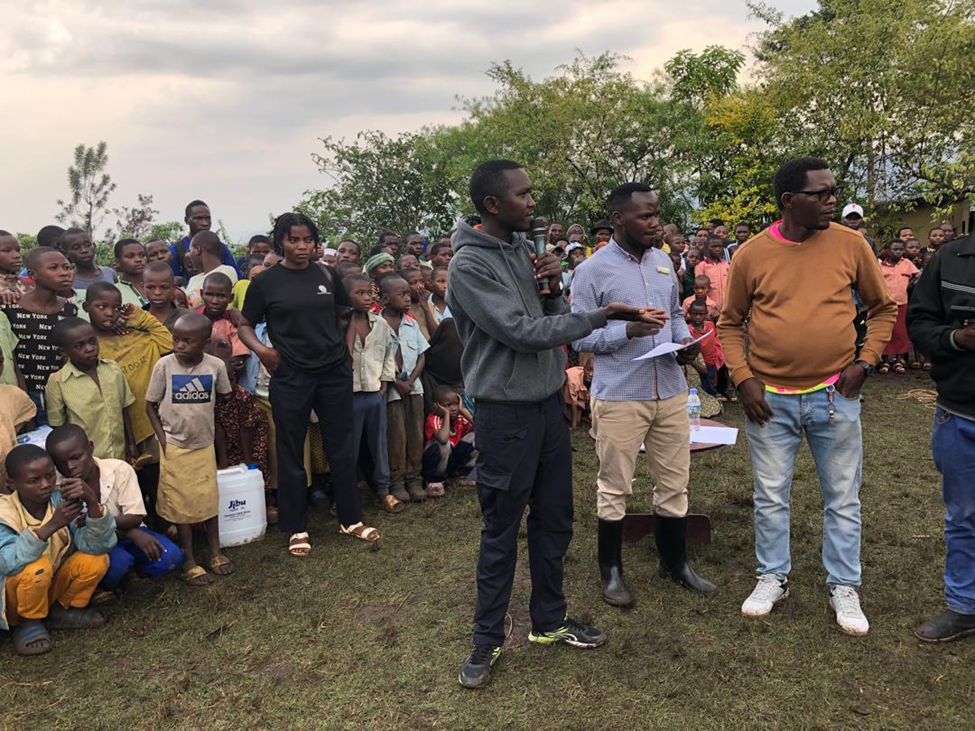

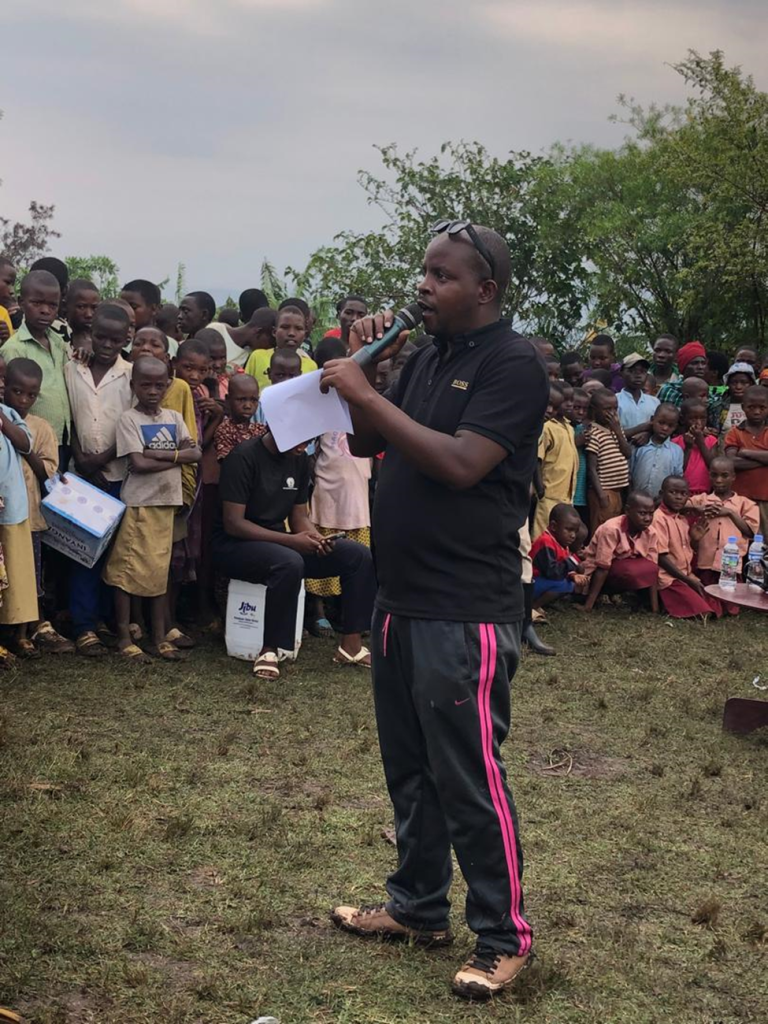
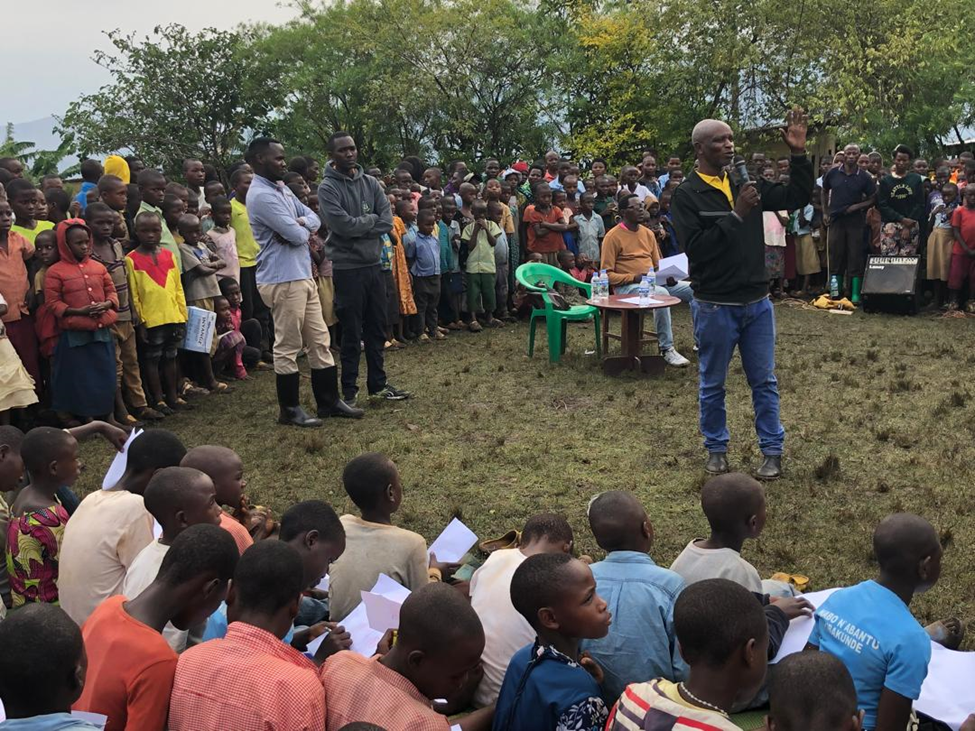
5. Mururu (G.S. Mutongo)
Mururu’s boot camp created a safe space for dialogue between children, parents, and educators. Testimonies from former Out-of-School Children and Youth (OOSCY) who successfully returned to school inspired many participants. Facilitators highlighted the importance of resilience and community involvement in overcoming educational barriers. Parents were given practical tips on how to support their children’s learning journey. The session concluded with a collective pledge to prioritize education as a shared responsibility.

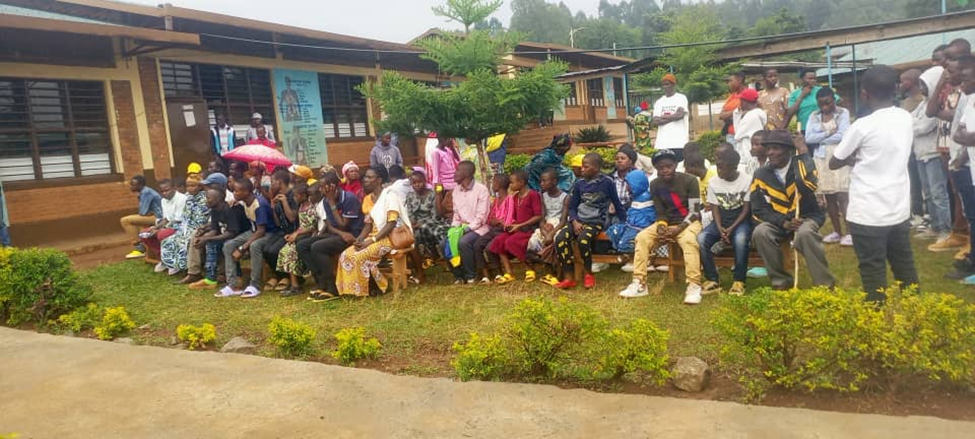


6. Nkombo (E.P. Nkombo)
At E.P. Nkombo, the boot camp focused on inclusivity and community engagement. Activities included cultural performances, games, and motivational talks that emphasized the value of education for personal and community development. Children participated in group discussions where they explored their aspirations and identified steps to achieve them. Parents and local leaders reaffirmed their commitment to reducing dropout rates and supporting reintegration efforts. The event fostered a sense of belonging and hope among all participants.
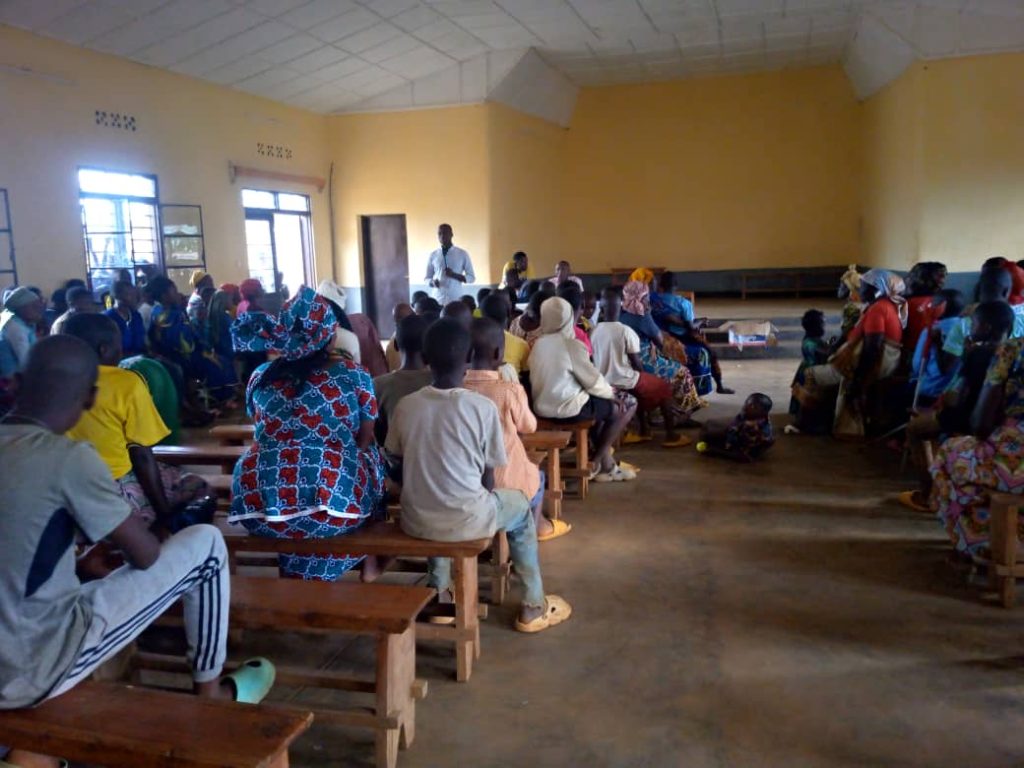
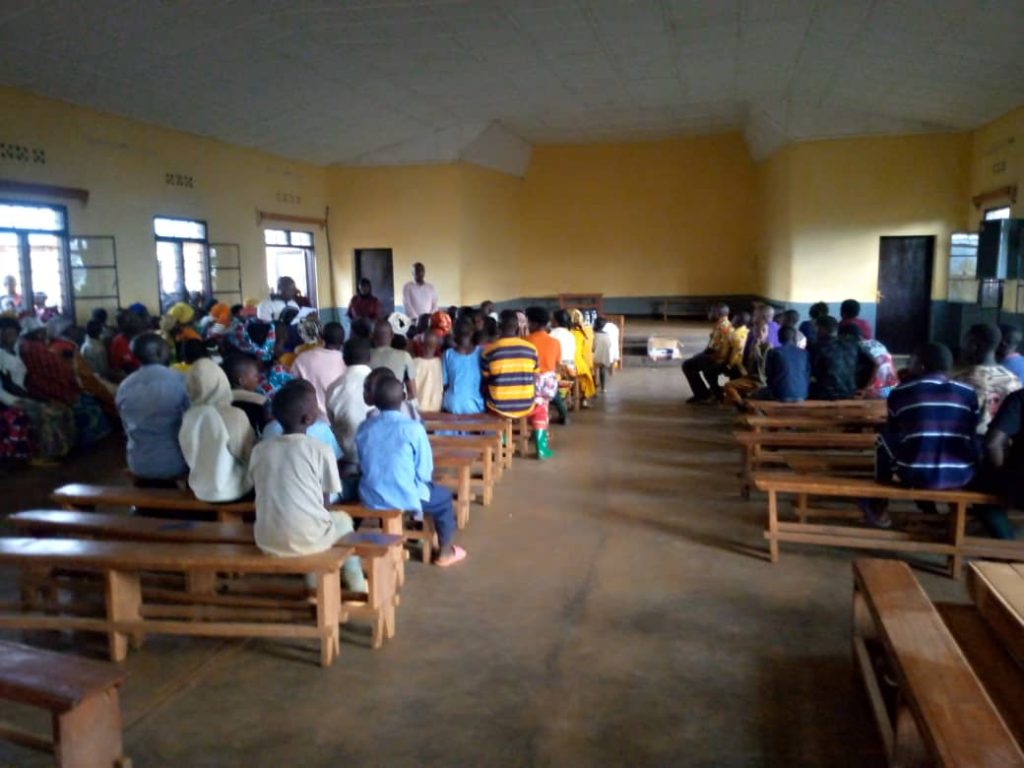
7. Nkanka (G.S. Nkanka)
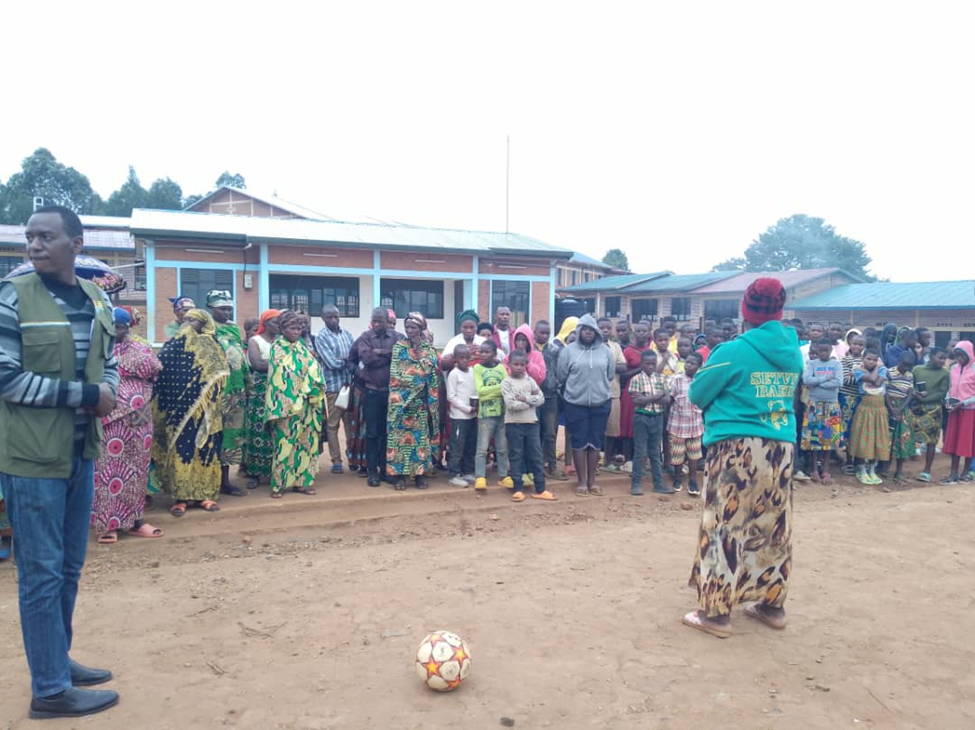
The Nkanka site emphasized collaboration between educators, parents, and children to create a supportive learning environment. Interactive sessions allowed participants to share challenges and brainstorm solutions together. Facilitators introduced strategies for balancing household responsibilities with schooling, addressing a common barrier for many children. The event also featured entertainment activities that kept participants engaged and motivated. By the end of the day, families were left with renewed determination to prioritize education.
Expected Outcomes
- Increased Out-of-School Children and Youth (OOSCY) enrollment into formal schools, ALPs, or vocational programs.
- Enhanced awareness among parents and guardians about their role in education.
- Improved self-confidence and motivation among children to pursue learning.
- Strengthened collaboration between communities, educators, and local authorities.
Conclusion
The Rusizi Out-of-School Children and Youth (OOSCY) Boot Camps were more than just events—they were a movement toward educational equity. By combining fun, engagement, and empowerment, these camps reignited hope for many children and families. The success of this initiative demonstrates that with the right support, every child can return to the path of learning.
Next Steps
- Follow-up visits are needed to monitor the reintegration of out-of-school children and youth (OOSCY) into schools and ALPs.
- Continuous community sensitization to sustain the momentum.
- Expansion of similar boot camps to other districts to reach more out-of-school children.
