
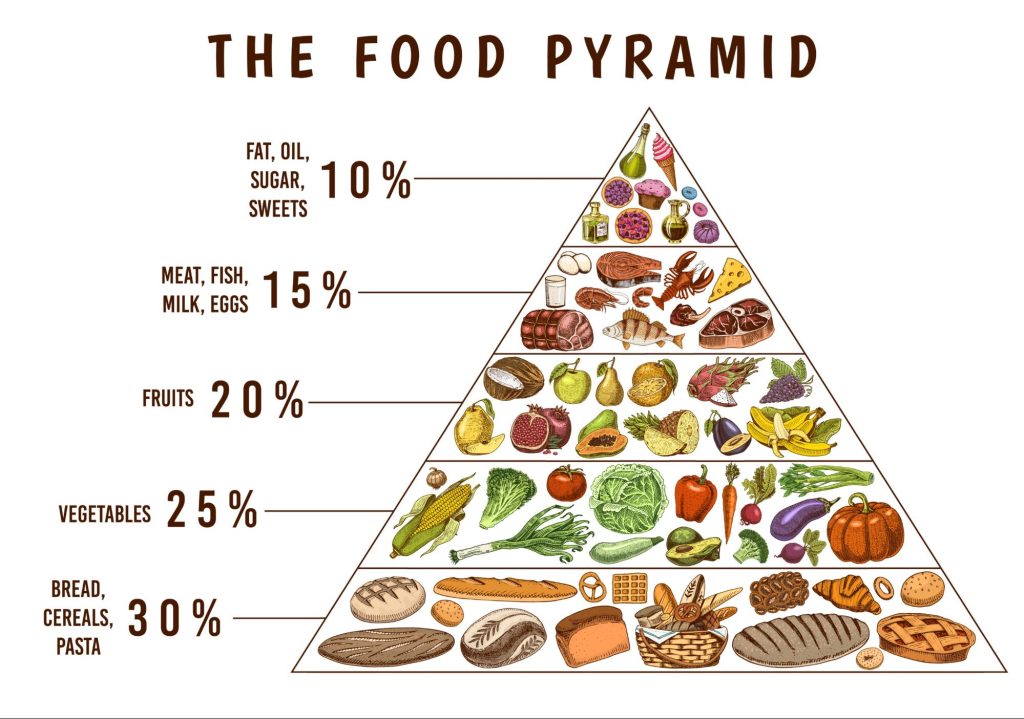
For decades, the global conversation around hunger focused primarily on “Food Security”—simply ensuring that people have enough calories to survive. However, a full stomach does not always mean a healthy body. Today, the focus has rightfully shifted to a more holistic goal: Nutrition Security.
In Rwanda and across the developing world, the challenge is no longer just about quantity; it is about quality. It is about ensuring that every household not only has food on the table but also access to the diverse, nutrient-rich diet necessary for physical growth, cognitive development, and long-term health.
The Link Between Agriculture and Nutrition
Agriculture is the starting point of the food system, but agriculture alone does not guarantee good nutrition. To truly tackle malnutrition and stunting, we must view food production through a nutritional lens.
- Dietary Diversity: Moving away from monocultures (growing only one staple crop like maize or cassava) towards diverse farming systems that include vegetables, fruits, legumes, and small livestock.
- Bio-fortification: Promoting crop varieties that are naturally rich in essential vitamins and minerals, such as iron-rich beans or Vitamin A-rich sweet potatoes.
- Kitchen Gardens: Encouraging every rural household to maintain a small vegetable garden (Akarima k’igikoni) ensures a steady supply of fresh produce directly to the family pot, independent of market price fluctuations.
The Pillar of Behavioral Change
Having nutritious food available is only half the battle; knowing how to use it is the other. Behavioral change communication is critical in transforming deep-seated habits.
- Cooking Practices: Educating families on how to prepare food in ways that preserve nutrients and ensure hygiene.
- Maternal and Child Nutrition: Prioritizing the “First 1,000 Days” window (from conception to age two). Promoting exclusive breastfeeding and appropriate complementary feeding is the most effective way to prevent stunting.
- Intra-household Distribution: Encouraging cultural shifts to ensure that pregnant women and growing children receive a fair share of protein and nutrient-rich foods within the family meal.
Economic Access: The Foundation of Security
Finally, food security is inextricably linked to poverty. A household cannot be food secure if it lives in ultra-poverty. Increasing household income through off-farm activities, value chain development, and market access is essentially a nutrition intervention. When families have disposable income, they can purchase the foods they cannot grow, such as oil, salt, or animal-source proteins.
Our Contribution: Innovating in Actions for Better Nutrition
At the Rwanda Organization for Development Initiatives (RODI), we view nutrition and food security as inseparable from our broader development goals. We are committed to building healthy communities where every individual has the energy and health to pursue their potential.
Our approach is multi-faceted, targeting both the supply of food (production) and the demand (consumption/behavior).
Holistic Household Support
We actively “support poor households to improve their nutrition status.” We do this not through handouts, but through sustainable livelihood activities that increase their purchasing power. This economic support is paired with the “development and implementation of a Nutrition Behavior Change Strategy.” This ensures that as families earn more, they also know how to eat better, aiming for “nutritious food and healthier diet intake.”
Advocacy and Engagement
We believe that fighting malnutrition requires a village. RODI works through “partner’s and community engagement” to drive change. We engage in advocacy for the creation of an enabling environment for nutrition, working with local leaders and stakeholders to ensure nutrition remains a top priority in local planning.
Impactful Projects Improving Food Security
Our commitment is demonstrated through tangible project outcomes:
- Strengthening Farmers for Security: Through our Agriculture and Value Chain Development program, we empower smallholder farmers specifically to “address their challenges of poverty and food insecurity.”
- Integrated Nutrition Awareness: In our Fair Economic Development Program, we didn’t just focus on crops; a key component of the project was “Food security and Nutrition Awareness.” We worked to ensure that the 25,000 farmers we supported understood the link between their harvest and their health.
- Farmers Voice: Our project IJWI RY’ABAHINZI BOROZI had a primary goal of “poverty reduction and strengthened food security,” supporting 1,200 farmers to build networks that safeguard their livelihoods.
Conclusion: A Healthier, Wealthier Society
Nutrition is the foundation of human capital. A well-nourished child learns better in school; a well-nourished adult is more productive at work. By integrating nutrition education with agricultural development and economic empowerment, we are not just feeding a population—we are fueling the future of the nation.
