
Every time a child returns to school, Rwanda takes a step forward. “Back to school” is not only a message for parents and learners—it is a national development strategy. Education strengthens the workforce, boosts productivity, and fosters the social cohesion necessary for long-term prosperity.
But there is a reality we must face: getting children back into school is only the beginning. The bigger challenge is ensuring they stay, learn, and thrive, especially for those who have been out of school for months or even years.
Back to School Is a Development Issue (Not Just an Education Issue)
When children and youth stay in school, communities experience benefits that reach far beyond exam results. Learners gain knowledge, but also develop essential life skills, including communication, teamwork, responsibility, and resilience. These are the foundations of employability and civic participation.
On the other hand, when young people remain out of school, the risks increase: exposure to negative influences, disengagement from structured learning, and reduced opportunities for productive livelihoods. This is particularly evident during school breaks, when many young people become inactive and may lose the momentum they have built in their learning.
Why Returning Learners Need More Than a Seat in Class
Reintegration is not a simple switch. Learners who have been out of school often return carrying multiple burdens:
- Foundational learning gaps (reading, writing, numeracy).
- Low self‑esteem and fear of failure.
- Weak social connection and stigma.
- Limited support structures at home.
- Barriers related to disability and child protection.
In other words, a learner may be “back,” but still not fully reintegrated. Sustainable reintegration requires deliberate, well-structured support that helps learners rebuild their routines and confidence while addressing both academic and psychosocial needs.
Why Learning and Inclusion for Transformation (LIFT) Came as a Strengthening Solution
To address these reintegration realities, Learning and Inclusion for Transformation (LIFT) has developed a strengthening approach that extends beyond access, focusing on learning readiness, inclusion, and retention. Under this model, out‑of‑school children and youth are supported through a combination of foundational learning reinforcement, life skills development, mentorship, and safe, protective learning environments.
Rather than focusing only on academics, the approach emphasizes:
- Foundational learning (literacy and numeracy) to bridge learning gaps.
- Psychosocial and confidence‑building support.
- Life skills and personal development, including decision‑making, communication, teamwork, and resilience.
- Parental and community engagement for follow‑up beyond school.
- Disability inclusion and safeguarding so that every learner participates safely and meaningfully.
Rusizi District Intervention to Back‑to‑School Retention Under LIFT
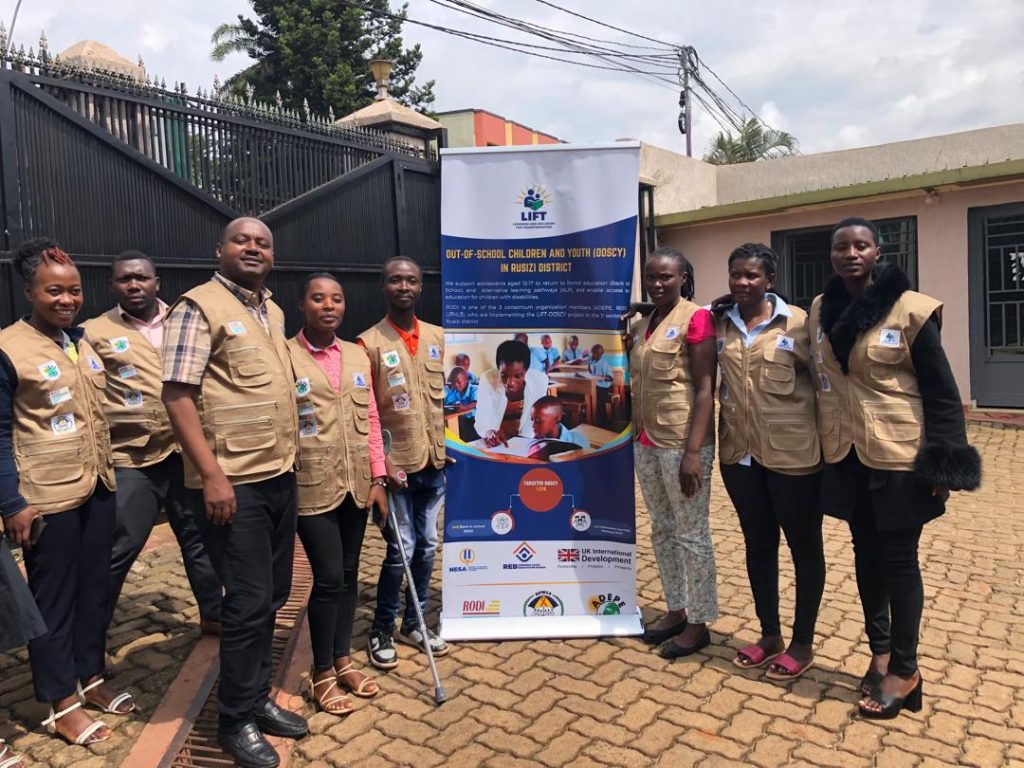
A strong back-to-school effort becomes a reality when communities translate national ambitions into practical support for learners. In Rusizi District, implementation under LIFT is delivered through a consortium of three organizations:
- Rwanda Organization for Development Initiatives (RODI)
- The Umbrella of Organizations of Persons with Disabilities in the Fight against HIV/AIDS & for Health Promotion (UPHLS)
- Action pour le développement du Peuple (ADEPE)
Working across 11 sectors, the consortium supports 542 back-to-school learners—demonstrating that reintegration is not only a policy goal, but also a measurable and community-driven effort. What makes this contribution significant is not only the reach, but the method:
- Community and teacher mentors guide learners, track progress, and provide encouragement.
- Safe, supportive learning environments are prioritized to rebuild confidence.
- Disability inclusion and child protection are integrated into activities rather than added later.
- Coordination with district and sector education personnel strengthens alignment with the formal education system.
Shifting Social Attitudes: From Stigma to Shared Responsibility
Inclusive reintegration can change the way society views returning learners. Instead of labeling young people as “dropouts,” communities can recognize them as learners with potential who deserve support rather than judgment.
When caregivers, mentors, local leaders, and education staff work together, reintegration becomes a shared responsibility—and learners feel a sense of belonging. Over time, this mindset shift strengthens attendance, protects children, and reinforces the belief that every learner matters.
What a Strong Back‑to‑School Strategy Should Prioritize Nationwide
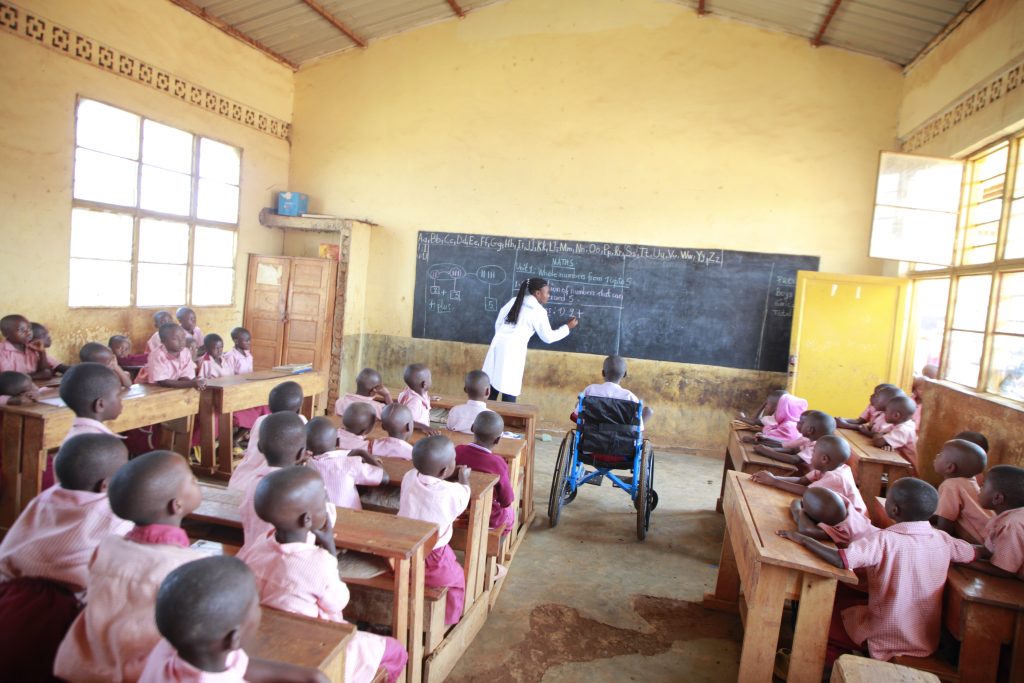
To keep back‑to‑school progress sustainable—especially for returning learners—six elements are essential:
- Learning recovery that targets foundational gaps.
- Mentorship and consistent follow‑up.
- Life skills and social‑emotional learning.
- Safeguarding and safe learning environments.
- Disability inclusion is built into design.
- Family and community ownership.
These principles ensure that “back to school” becomes “back to learning” and ultimately “back to opportunity.”
Conclusion: A Bright Future Begins with Staying in School
Rwanda’s development depends on learners who are not only enrolled but also empowered to succeed. A bright future is built when reintegration efforts combine academic recovery, mentorship, inclusion, and protection—so that returning learners can rebuild confidence, restore learning habits, and stay in school.
Back to school is not just a seasonal message. It is a national promise: that every child and every young person—regardless of background, interruption, or disability—can learn, belong, and contribute to Rwanda’s transformation.
