
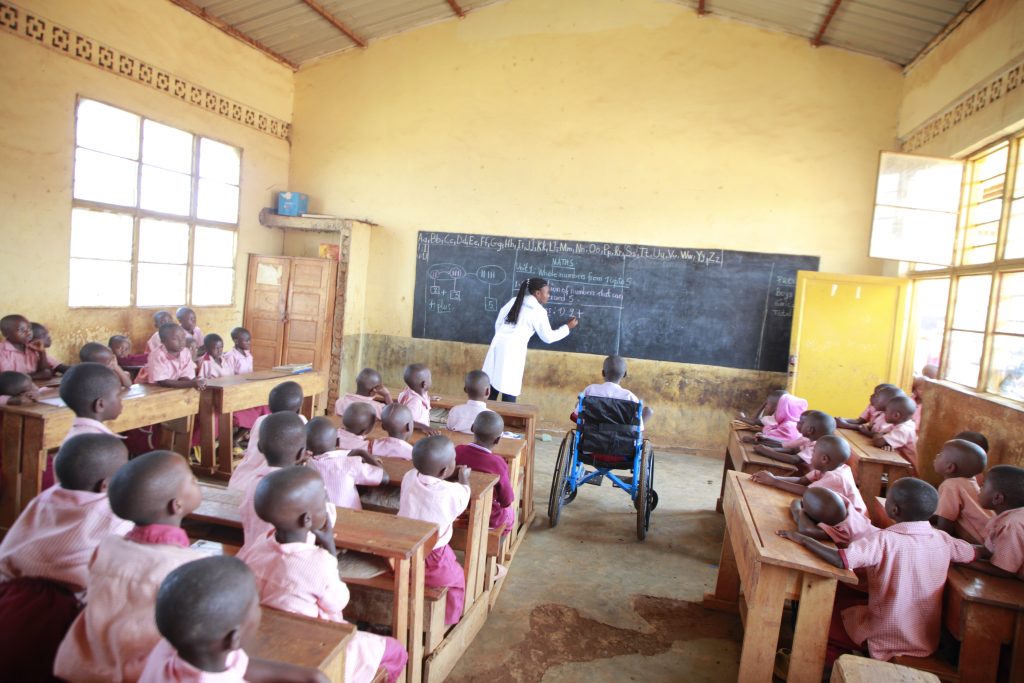
Education is the most powerful tool for breaking the cycle of poverty and unlocking opportunities for future generations. In Rwanda, significant progress has been made in expanding access to education. However, challenges such as poverty, cultural beliefs, and limited parental involvement still threaten children’s ability to stay in school. Embracing education as the path to success means creating a collective commitment—by parents, communities, and institutions—to ensure that every child has the chance to learn, grow, and thrive.
Key Points:
- Education is a key driver of Rwanda’s social and economic development.
- Despite progress, dropout rates remain a challenge in some communities.
- A shared responsibility approach is essential for sustainable change.
Why Education Matters for Every Child
Education is more than just learning to read and write; it equips children with critical thinking skills, confidence, and the ability to contribute meaningfully to society. For Rwandan children, education opens doors to better job opportunities, improved health, and active participation in community development. Without education, children face limited prospects and are more vulnerable to poverty and exploitation.
Key Points:
- Education empowers children to break free from poverty.
- It promotes gender equality and reduces early marriage risks.
- Educated individuals contribute to stronger, more resilient communities.
The Role of Parents and Communities
Parents are the first educators in a child’s life, and their attitudes toward schooling significantly influence a child’s success. When parents value education, children are more likely to attend school regularly and perform well. Communities also play a vital role by creating supportive environments that encourage learning and discourage harmful practices like child labor or early marriage.
Key Points:
- Parental involvement improves attendance and academic performance.
- Community support helps address barriers such as poverty and cultural norms.
- Strong partnerships between schools, parents, and local leaders are essential.
How the LIFT Project Supports Education
The LIFT Project, in partnership with local authorities and education stakeholders, is committed to ensuring that no child is left behind. Our interventions focus on identifying Out-of-School Children and Youth (OOSCY) and providing pathways back to education through:
- Accelerated Learning Programs (ALPs): Helping children catch up on missed schooling.
- Vocational Training: Offering practical skills for youth who prefer employment-oriented education.
- Community Sensitization: Engaging parents and leaders to promote education as a priority.
- Mentorship and Counseling: Building confidence and resilience among learners.
- Safe Learning Spaces: Creating environments where children feel supported and motivated.
The Way Forward
To truly embrace education as the path to success, Rwanda must continue to invest in inclusive, quality education and strengthen community engagement. Parents must see education as an investment, not a burden, while schools and partners must provide flexible solutions for children who have fallen behind. Together, we can create a future where every child has the opportunity to learn and succeed.
Next Steps:
- Expand outreach to rural communities to reduce dropout rates.
- Strengthen partnerships between schools, parents, and local leaders.
- Scale up Accelerated Learning Programs and vocational training opportunities.
- Continue advocacy to make education a shared responsibility for all.
