
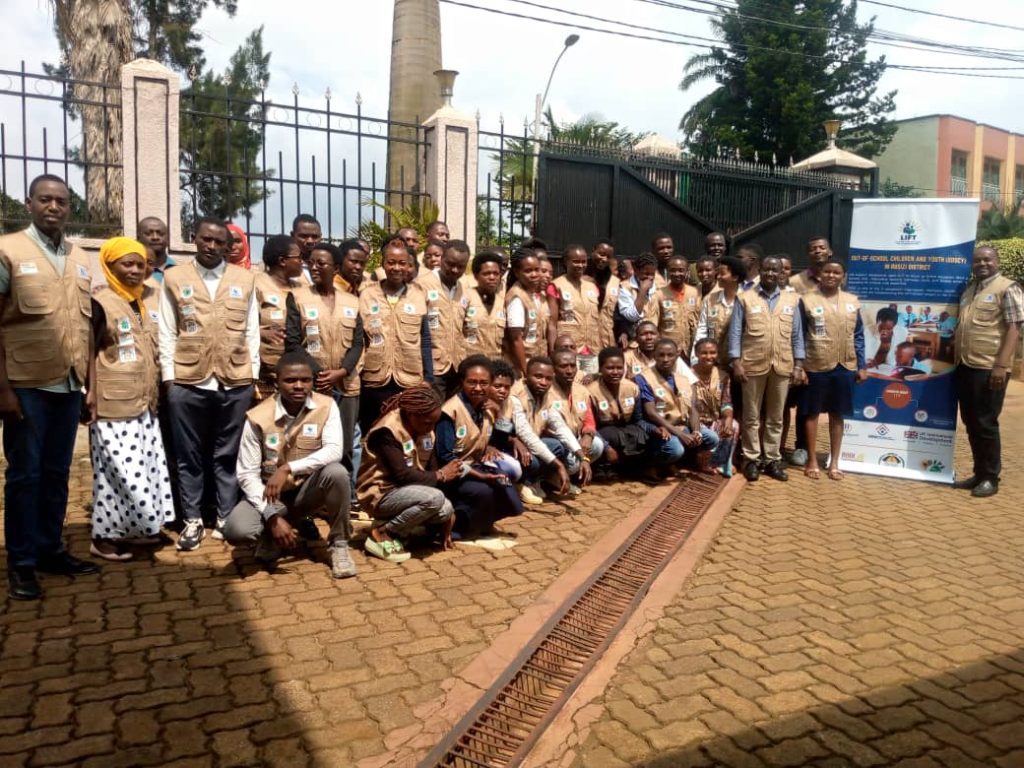
In the world of community development, resources and funding are essential starting points. However, at the Rwanda Organization for Development Initiatives (RODI), we have learned that sustainable change doesn’t come from handouts—it comes from human connection. The true engine of our impact lies in the dedicated Coaches and Mentors who walk the journey of transformation alongside our participants every single day.
While our organization provides the framework, it is these mentors who turn “projects” into personal success stories. They build confidence, transfer skills, and ensure that the vulnerable populations we serve—from refugees to out-of-school youth—are never navigating their path to self-reliance alone.
Why Mentorship Matters
Our “Innovating in Actions” philosophy is built on the belief that empowering people requires more than just technical training. It requires a mindset shift. Our coaches do not just teach; they actively engage with communities to understand their unique aspirations and needs. Whether it is helping a smallholder farmer adapt to climate change or guiding a young woman in starting a business, our mentors provide the continuous support necessary to turn hope into action.
Transforming Lives in Nyamagabe: The Dukore Twigire Project
One of the most powerful examples of mentorship in action is found in the Nyamagabe District, within our Dukore Twigire Project (DTP).
This initiative focuses on a complex challenge: supporting Kigeme refugees and their host families to build self-reliance and social cohesion. It is not enough to simply offer aid; families need sustainable strategies to improve their livelihoods.
Currently, our coaches are working directly with 582 targeted households. Through close mentorship, these families are gaining access to financial services and income-generating activities that allow them to stand on their own feet. By fostering relationships between the refugees and the host community, our mentors are also building a more peaceful and integrated society.
Bridging the Education Gap in Rusizi: The LIFT Project
In the Rusizi District, our mentors are tackling a different but equally critical challenge: education. Under the Learning and Inclusion for Transformation (LIFT) project, we are working across 12 sectors to ensure that no child is left behind.
The role of a mentor here is pivotal. Many of these children and youth have faced significant barriers to education, from poverty to social exclusion. Our team creates personalized pathways for them to return to learning:
- Back to School: Mentors are currently supporting 542 children in returning to formal education, ensuring they have the materials and encouragement needed to stay in school.
- Alternative Learning Pathway: For older youth or those who need vocational skills, we are guiding 974 participants through alternative learning programs that lead to employability and financial stability.
A Holistic Approach to Growth
While these projects highlight the specific work of our coaches in Nyamagabe and Rusizi, this mentorship model is embedded in everything we do. From our Agriculture and Value Chain Development programs that support smallholder farmers to our Gender Equality Promotion that empowers women to take on leadership roles, our goal remains the same: to strengthen capacity.
By equipping individuals with technical, vocational, and managerial skills, we ensure they are in control of their own future.
Conclusion
The impact of a project is not just measured in numbers, but in the confidence of a refugee starting a business or a child walking back into a classroom. At RODI, we are proud that our coaches and mentors are the ones making these moments possible.
