
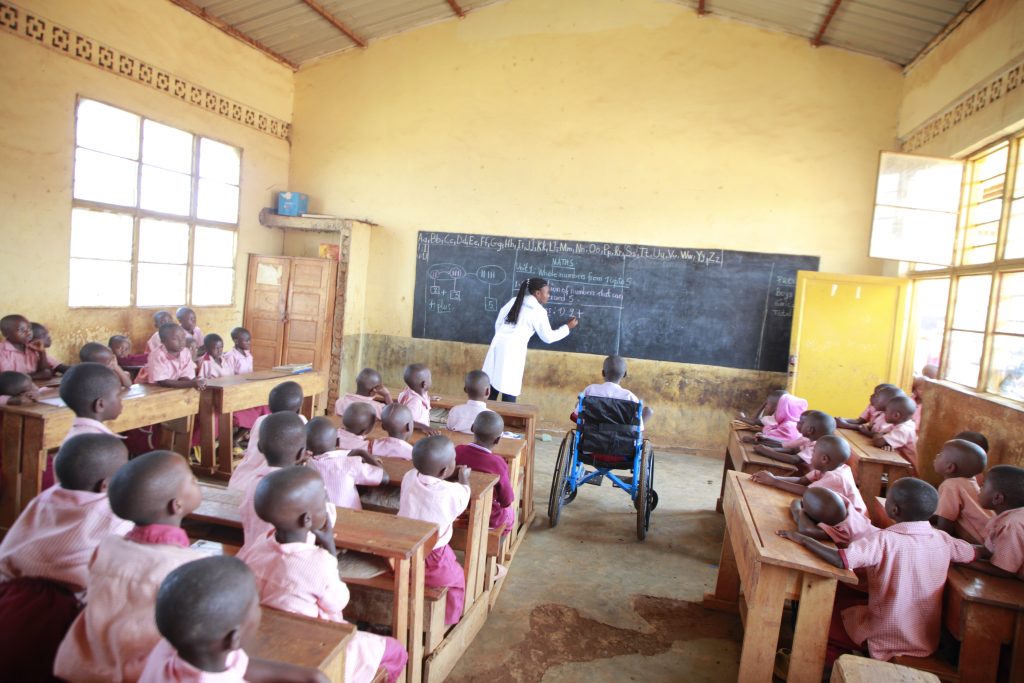
Rwanda’s transformation journey is built on a foundational belief: its most excellent resource is its people. This conviction has placed education and human capital development at the heart of the nation’s vision for the future. Yet, despite remarkable progress, a significant challenge persists—ensuring that every child enters the classroom and completes their educational journey. The path forward can seem uncertain for those who fall through the cracks. Fortunately, a powerful wave of collaborative Action creates new, hopeful pathways for Rwanda’s out-of-school children to reclaim their futures.
Understanding the Crossroads for Out-of-School Children
The reasons why a child might leave school are rarely simple and often deeply personal. Addressing this issue effectively requires understanding the distinct circumstances these children face. In Rwanda, we see several key groups in need of tailored support:
- The Eager Returnees: Many children are forced to leave school due to economic pressures or family crises, but strongly desire to return to formal education. The most significant barrier for them is often financial or a lack of support to bridge the gap.
- Survivors Seeking New Skills: Some children, particularly adolescents, drop out due to traumatic experiences that make returning to a traditional school setting difficult. They need an alternative pathway that offers practical, hands-on skills through Technical and Vocational Education and Training (TVET) to build a self-reliant future.
- Children with Disabilities: For children with disabilities, physical, social, or pedagogical barriers can make mainstream schooling inaccessible. They require inclusive, adaptive programs that empower them with life and vocational skills suited to their abilities.
The Power of Partnership: The LIFT Project in Action
Addressing such varied needs is too great a task for any single entity. It demands a united front, and the Learning and Inclusion for Transformation (LIFT) project is a shining example of this collaborative spirit. Operating across seven districts, LIFT is a comprehensive initiative explicitly designed to re-engage out-of-school children.
The project’s success is rooted in its powerful partnership model. In Rusizi District, for instance, the initiative showcases a seamless collaboration led by Cambridge Education and funded by the UK’s Foreign, Commonwealth & Development Office. Its impact on the ground is driven by a consortium of dedicated partners who combine their expertise to offer comprehensive support.
Within this partnership, As the Rwanda Organization for Development Initiatives (RODI), we focus on strengthening the capacity of youth by providing crucial entrepreneurship and skills development. This is a vital pathway for children who, due to traumatic experiences like sexual abuse or early parenthood, need an alternative to formal schooling and can thrive through vocational training. RODI works alongside Action pour le développement du Peuple (ADEPE), which specializes in helping children return to formal education, and The Umbrella of Organizations of Persons with Disabilities in the Fight against HIV/AIDS & for Health Promotion (UPHLS), which ensures the inclusion and empowerment of children with disabilities. Together, these organizations create a seamless support system, ensuring that each child receives the specific intervention they need, whether returning to the classroom or starting a new vocational path.
This consortium works closely with crucial government bodies, including the Rwanda Basic Education Board (REB), the National Examination and School Inspection Authority (NESA), and the Rusizi District administration, ensuring that all efforts align with national education goals.
Building Skills, Restoring Hope, and Creating Futures
Together, these partners provide a holistic support system that addresses the root causes of school dropout. Their collective work moves beyond simple classroom re-entry.
- Removing Barriers: The project provides essentials like health insurance and financial support, alleviating the economic burdens that often force children out of school.
- Providing Dual Pathways: Recognizing that not every child will follow the same path, the consortium offers two clear options. They support children who wish to return to formal education while also providing high-quality entrepreneurship and vocational training for those better suited to a skills-based track. This ensures that every child has a viable route to success.
- Fostering Self-Reliance: By equipping children with practical, market-relevant skills, the project empowers them to become economically active citizens. This transforms the individual child’s life, improves their family’s financial stability, and contributes to the local economy.
Investing in Every Child, Investing in Rwanda’s Future
The collaborative model of the LIFT project is more than just a program; it’s a powerful statement about Rwanda’s commitment to inclusive development. It demonstrates a profound understanding that leaving no child behind is not just a moral imperative but a strategic necessity for achieving the nation’s long-term ambitions, including those outlined in Vision 2050.
By combining international support, local expertise, and government oversight, these partnerships are forging new, resilient pathways for thousands of children. They are turning stories of disadvantage into stories of opportunity, ensuring every child can learn, grow, and become a co-creator of Rwanda’s bright future.
