
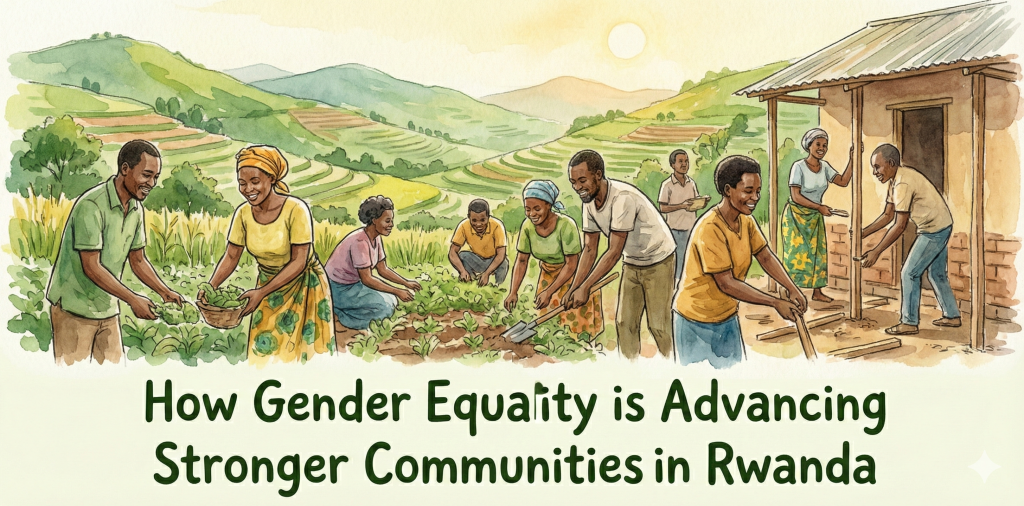
Rwanda’s journey toward gender equality is a cornerstone of its remarkable story of national development. While global attention often focuses on the impressive number of women in parliament, the actual transformation is unfolding in the villages, markets, and homes across the country. Here, a concerted effort to empower women is proving to be one of the most potent catalysts for sustainable community development, driving progress that benefits everyone.
The Foundation of Progress: Rwanda’s Policy Framework
The nation’s commitment is enshrined in a robust legal and policy architecture. The Constitution guarantees equal rights, and specific laws ensure women’s access to land, inheritance, and political participation. This top-down framework provides an essential enabling environment. It sends a clear message that gender equality is not a marginal issue but a national priority, paving the way for deep-seated social and economic programs to take root at the local level.
Transforming Households: Changing Mindsets from Within
Real change begins where people live. A key strategy has been the introduction of community-led methodologies, such as the Gender Action Learning System (GALS). This approach brings women and men together to map out their daily lives, visually illustrating the distribution of labor, resources, and decision-making power within the household. By clearly understanding these dynamics, families can openly discuss inequalities and jointly develop practical plans for a more balanced future. This process fosters a shared understanding and commitment, transforming the principle of equality into a tangible household goal that leads to more cooperative and prosperous family units.
Building Economic Resilience: Women as Entrepreneurs and Leaders
Economic independence is fundamental to empowerment. Across Rwanda, initiatives actively create pathways for women to achieve financial autonomy. This includes:
- Skills and Vocational Training: Providing market-relevant training in areas like agribusiness, artisan crafts, and technology.
- Access to Finance: Facilitating the formation of women’s savings and credit cooperatives, offering startup loans, and improving financial literacy.
- Entrepreneurship Support: Delivering mentorship in business planning, management, and market access to help women launch and grow sustainable enterprises.
When women control income, they disproportionately reinvest it in their children’s education, family nutrition, and community well-being, creating a powerful multiplier effect that lifts entire communities.
Ensuring Protection and Justice: A Pillar of Safe Communities
True equality cannot exist without safety. A comprehensive approach to addressing gender-based violence (GBV) is critical. Effective community-based models work on three interconnected levels:
- Prevention: Engaging men, boys, and community leaders in dialogues to challenge harmful norms and promote positive masculinity.
- Protection: Establishing clear pathways for survivors to access immediate psychosocial support, medical care, and legal aid.
- Reintegration: Providing long-term support, including counseling and livelihood training, to help survivors rebuild their lives with dignity and independence.
This holistic response helps create safer environments where all community members can thrive.
A Grassroots Model in Action: Integrated Community Empowerment
The national framework creates the potential for change, which is realized through the integrated programs of community-based organizations. These initiatives provide a replicable model for grassroots empowerment, focusing on sustainable change through several key pillars.
Cultivating Leadership and Public Participation: A primary focus is on developing confidence and practical skills for decision-making. This involves targeted leadership training that prepares women to take on active roles. Programs develop tangible advocacy skills and establish direct pathways for public participation in local cooperatives, community meetings, and development committees, ensuring that women’s voices contribute to shaping the priorities of their communities.
- Creating Pathways to Economic Independence: Empowerment is deeply linked to financial autonomy. Dedicated programs deliver entrepreneurship training and follow-on support to establish and grow women-led businesses and cooperatives. A critical component is financial literacy education, which equips women with the knowledge to manage resources, access credit, and build sustainable livelihoods for themselves and their families, breaking cycles of dependency.
- Transforming Social Norms through Direct Advocacy: Lasting change requires shifting deep-seated attitudes. This is pursued through sustained community awareness campaigns that challenge harmful stereotypes. By actively employing participatory tools like the Gender Action Learning System (GALS), facilitators spark crucial dialogue at the household level. Importantly, these initiatives intentionally engage men and boys as essential partners in change, promoting models of positive masculinity and shared responsibility for building equitable communities.
- Providing Protection and Supporting Justice: Recognizing that safety is foundational, this work includes direct projects to respond to Gender-Based Violence (GBV). These projects offer survivors vital psychosocial support and guide them toward legal assistance. The approach is comprehensive, supporting the whole journey from crisis to recovery with dedicated programs for the successful reintegration of survivors, helping them rebuild their lives with security and dignity.
RODI Rwanda’s Contribution: Empowering Women as Agents of Change
At RODI Rwanda, we believe gender equality is both a moral imperative and a key driver of sustainable community development. Our work is built on the understanding that when women are empowered, entire communities thrive—leading to increased economic productivity, improved food security, and enhanced social cohesion. Our mission is to bridge the gender gap through direct, community-based project implementation.
- Empowering Women as Economic Agents: Our approach is centered on providing women with the tools for self-reliance. We implement practical training programs in business management, finance, and marketing to equip women with the skills to launch and grow sustainable enterprises. This economic empowerment is a direct investment in the productivity and resilience of households.
- Facilitating Access to Essential Resources: We work to connect women with the critical resources they need to thrive. This involves practical support related to land use, facilitating access to financial services for loans and savings, and creating leadership opportunities within the cooperatives and community groups we help establish.
The Community Impact: Why Investing in Women Works
The results of this multi-faceted approach are visible in stronger, more resilient communities. Women who gain confidence and economic footing emerge as influential leaders in local cooperatives, school committees, and local government. They advocate for community needs—such as clean water, improved healthcare, and agricultural extension services—ensuring that development projects are more inclusive and effective. This shift creates a virtuous cycle: as more women lead, they inspire younger generations, and communities increasingly recognize the value of unlocking the full potential of all their members.
The Road Ahead: Sustaining the Momentum
Rwanda’s experience demonstrates that gender equality is a continuous process, not a one-time achievement. The future will depend on deepening these grassroots efforts, expanding economic opportunities into new sectors, and fostering a culture of equality from the earliest ages through education. The ongoing engagement of every sector of society—from government and civil society to families and individuals—remains essential.
In conclusion, Rwanda’s community development is being profoundly shaped by its commitment to gender equality. By empowering women as agents of change at the most local level, the nation advances not only justice but also unlocks a powerful engine for sustainable growth, resilience, and shared prosperity for all.
