
Introduction
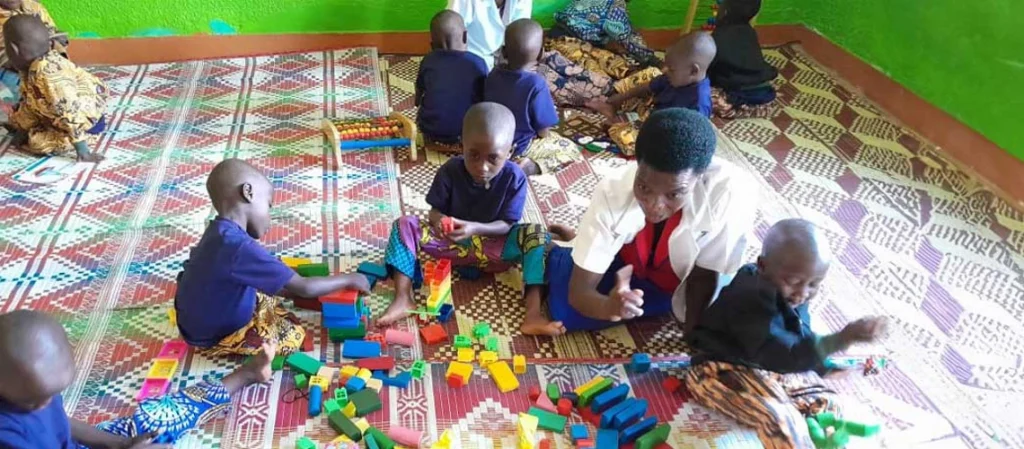
In Rwanda, a quiet revolution is unfolding. Over the past decade, the nation has prioritized early childhood development (ECD) as a cornerstone of its human capital strategy, recognizing that investing in the youngest citizens lays the foundation for lifelong resilience, productivity, and societal progress. Today, over 1.2 million children under the age of five benefit from holistic ECD programs that integrate nutrition, education, health, and community empowerment [8].
But what makes Rwanda’s approach unique? How have these centers transformed the lives of children and families? This blog explores the journey of Rwanda’s ECD centers, their impact, and the lessons learned for global stakeholders.
The Holistic Approach to Early Childhood Development
Rwanda’s ECD model is rooted in a multi-sectoral strategy that goes beyond traditional education. The government, alongside NGOs and international partners, has built a framework addressing four critical pillars:
- Nutrition and Health: Regular growth monitoring, fortified meals, and micronutrient supplements combat stunting, which has declined from 44% to 33% since 2010 [8] [2].
- Early Learning and Play: Community-based centers like Gikundiro in Nyanza District use play-based curricula and homemade toys to stimulate cognitive and emotional growth [8].
- Parental Engagement: Programs teach caregivers about hygiene, nutrition, and positive parenting, fostering behavioral changes such as increased father involvement in childcare [2] [15].
- Economic Empowerment: By providing free childcare, ECD centers enable parents—especially mothers—to pursue income-generating activities, breaking cycles of poverty [8].
This integrated approach, supported by Rwanda’s National Childhood Development Agency, ensures that no child is left behind [8].
Impact on Children’s Development
ECD centers have become lifelines for Rwanda’s youngest generation. Key outcomes include:
- Cognitive and Social Growth: Children in programs show improved literacy, numeracy, and emotional resilience, preparing them for primary school [9].
- Reduced Stunting: Access to fortified porridge and health education has contributed to a 25% drop in stunting rates over a decade [8].
- Stronger Communities: Centers act as hubs for social cohesion, where parents share knowledge and support networks [9].
Empowering Families and Communities
ECD programs recognize that child well-being is inseparable from family stability. For example:
- Employment Opportunities: Over 31,000 centers employ mothers from vulnerable households as caregivers, creating sustainable livelihoods [8].
- Financial Inclusion: Parents contribute food or small fees instead of fixed tuition, ensuring accessibility for low-income families [8].
- Health Integration: Monthly visits by community health workers provide immunizations and prenatal care, linking ECD with broader health systems [8].
These initiatives not only uplift children but also empower caregivers to become agents of change in their communities.
Challenges and Innovations
Despite progress, challenges persist. Rural areas face resource shortages, limiting families’ ability to implement program teachings [2]. Additionally, traditional metrics like enrollment numbers often overlook nuanced outcomes like parental behavior changes [2].
To address this, NGOs like Strive Foundation Rwanda and Save the Children are piloting context-sensitive evaluation frameworks that prioritize qualitative impacts, such as improved parent-child relationships [9] [12]. Meanwhile, the government’s focus on decentralized, community-driven centers ensures programs adapt to local needs [8].
Conclusion
Rwanda’s ECD journey demonstrates that transformative change begins in childhood. By blending innovation with cultural sensitivity, the nation has created a blueprint for holistic development—one that nurtures children, strengthens families, and builds resilient communities. As global partners, we must advocate for flexible funding and inclusive metrics to replicate this success worldwide.
Frequently Asked Questions
Q1: What makes Rwanda’s ECD centers different from others?
A: Rwanda’s centers integrate health, nutrition, education, and economic support, ensuring comprehensive child and family development [8] [9].
Q2: How do ECD programs reduce stunting?
A: Through fortified meals, growth monitoring, and parental education on nutrition, stunting rates have dropped by 25% since 2010 [8].
Q3: What role do NGOs play in Rwanda’s ECD sector?
A: NGOs provide training, resources, and advocacy. For example, As RODI , we support 508 centers and 15,734 of children who are served with ECD programs and 1,262 of Caregivers in five(5) sectors within Ruhango District.
Q4: Are rural areas benefiting equally?
A: While rural centers face resource gaps, innovative models like community-based childcare and flexible fees ensure inclusivity [8].
Q5: How can parents get involved?
A: Parents participate in health education sessions, contribute food or labor, and engage in play-based activities with their children.
Together, we can build a future where every child thrives.
