
Rwanda’s commitment to building human capital is unwavering, placing quality education and lifelong learning at the heart of its national transformation. However, traditional schooling pathways don’t work for every child, creating a need for innovative, inclusive solutions to bring all young people back into the fold. The focus isn’t just on access but on ensuring every student has the foundational skills to succeed, with national efforts prioritizing foundational literacy and numeracy.
This renewed focus on quality and inclusivity has given rise to the critical role of alternative assessment learning and programs designed to re-engage children who have dropped out of school.
The Shift to the Assessment and Second Chances
The goal of a modern education system is not merely to pass exams but to equip young people with the competencies and skills they need for life and work. This requires a shift toward alternative learning pathways and a holistic assessment model that captures a student’s real-world competencies, resilience, and mindset, not just rote memorization.
For out-of-school children and youth (OOSCY), providing a second chance is essential for national development. These youth require intensive support to prepare them for reintegration into formal schooling, Accelerated Learning Programs (ALPs), or vocational training. Programs must focus on building participants’ confidence, resilience, and positive attitudes toward learning, addressing the root causes of their initial departure from school.
The LIFT Project: A Model of Collaborative Action in Rusizi
Addressing the varied needs of OOSCY is a complex task that demands a united front. The Learning and Inclusion for Transformation (LIFT) project, funded by the UK’s Foreign, Commonwealth & Development Office (FCDO) and led by Cambridge Education, is a shining example of this collaborative spirit. LIFT is specifically designed to support highly disadvantaged girls and boys aged 12-18 to return to education or pursue alternative learning pathways.
As Rwanda Organization for Development Initiatives(RODI) is a key consortium partner in this critical initiative, focusing our on-the-ground efforts in the Rusizi District.
Our Collective Impact in Rusizi:
Our partnership with consortium members—including The Umbrella of Organizations of Persons with Disabilities in the Fight against HIV/AIDS & for Health Promotion (UPHLS), and Action pour le développement du Peuple (ADEPE)—ensures a comprehensive support system. We operate across seven sites in 11 sectors of intervention in Rusizi, working to achieve tangible transformation at the community level.
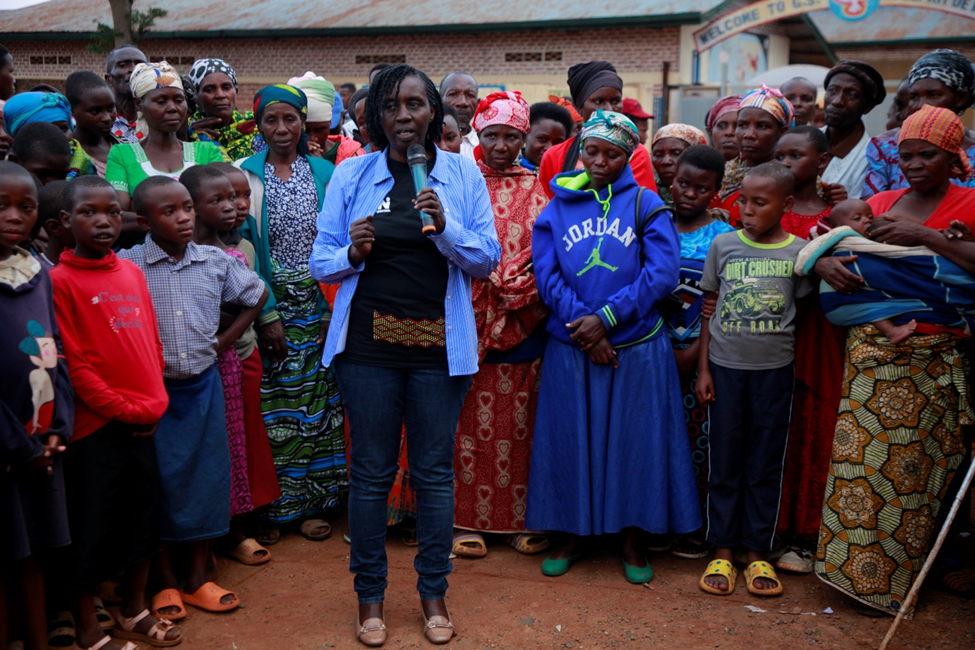
A key intervention has been the Rusizi OOSCY Boot Camps, which provide intensive transition support to prepare children and youth for their next steps. These camps are designed to:
- Equip OOSCY with the confidence and mindset needed for reintegration into formal education or vocational training.
- Build confidence, resilience, and social skills through engaging activities like games, music, and dance.
- Foster collaboration between educators, parents, and children to create a supportive learning environment, with parents actively committing to support their children’s education.
By collaborating closely with the Rwanda Basic Education Board (REB), the National Examination and School Inspection Authority (NESA), and the Rusizi District administration, this initiative ensures all efforts are aligned with national education goals and policies.
Investing in Every Child’s Future
The LIFT project and its collaborative model are more than just a program; they are a powerful statement about Rwanda’s commitment to inclusive development. The work moves beyond simple classroom re-entry by offering dual pathways—supporting a return to formal schooling for some, and high-quality entrepreneurship and vocational training for others.
This support system addresses economic burdens, provides life skills, and fosters self-reliance, ensuring that every child, regardless of past circumstance, is equipped to become an economically active citizen and a co-creator of Rwanda’s bright future. Through these powerful partnerships, Rwanda actively turns stories of disadvantage into stories of opportunity.
