
In Rwanda’s inspiring journey of progress, empowering girls through education stands as a cornerstone for building a truly equitable and prosperous future. When girls are educated, the ripple effects are profound, extending beyond individual lives to transform families, communities, and the nation as a whole. Education equips girls with the knowledge, skills, and confidence to break free from cycles of poverty, make informed decisions about their health and well-being, and actively participate in shaping their own destinies.
Why Educating Girls is Crucial for Rwanda’s Progress:
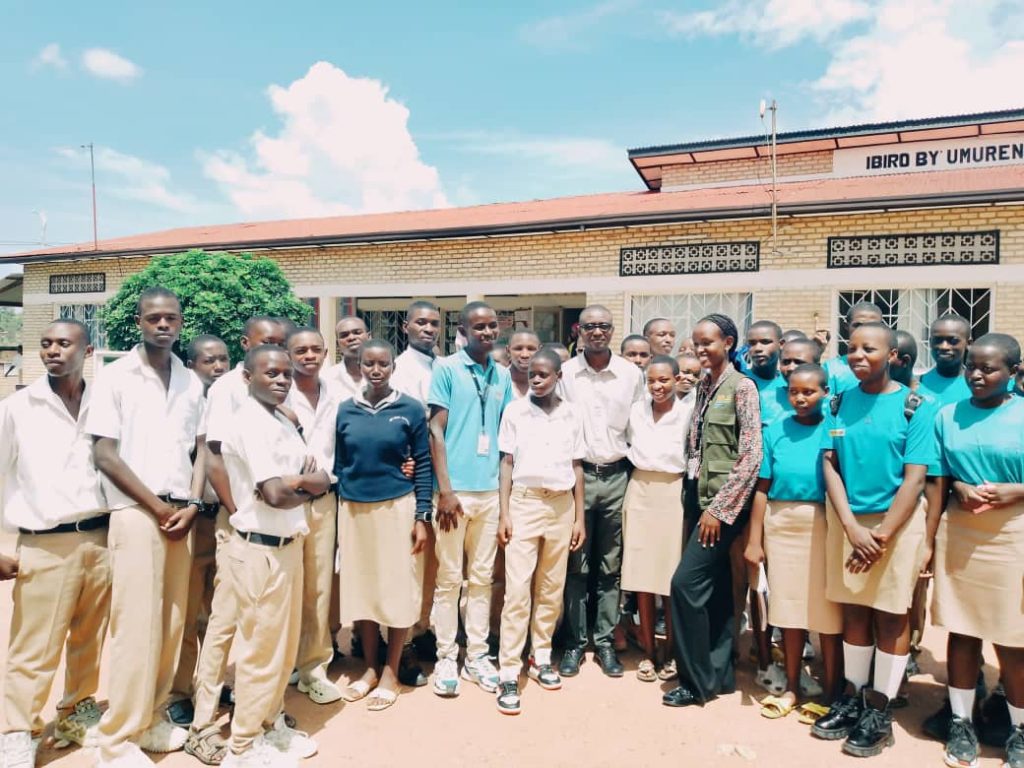
- Economic Empowerment: Educated girls are more likely to secure better-paying jobs, become entrepreneurs, and contribute significantly to their families’ economic stability and national growth (Klasen, 2002).
- Improved Health Outcomes: Education empowers girls with knowledge about health, nutrition, and family planning, leading to healthier families and reduced infant and maternal mortality rates (UNICEF, 2023).
- Reduced Child Marriage and Teenage Pregnancy: Education provides girls with alternatives and opportunities beyond early marriage and motherhood, enabling them to pursue their aspirations (Malala Fund, 2021).
- Increased Agency and Leadership: Educated girls develop greater self-esteem, assertiveness, and leadership skills, enabling them to become powerful voices for change in their communities and beyond (Stromquist, 2012).
- Intergenerational Impact: Educated mothers are more likely to prioritize the education and health of their own children, creating a positive cycle of development for future generations (World Bank, 2018).
RODI Rwanda: Investing in Girls’ Futures Through Education and Mentorship

RODI Rwanda recognizes the transformative power of girls’ education and is actively involved in initiatives that support their empowerment. Providing girls with quality education and strong support systems is essential for unlocking their full potential.
In the Ruhango District, RODI Rwanda is proud to partner with the Gold Youth programme to implement a vital peer education initiative to empower young girls. This program specifically targets high school students, providing them with crucial guidance and support during their formative years.
Our collaborative approach involves:
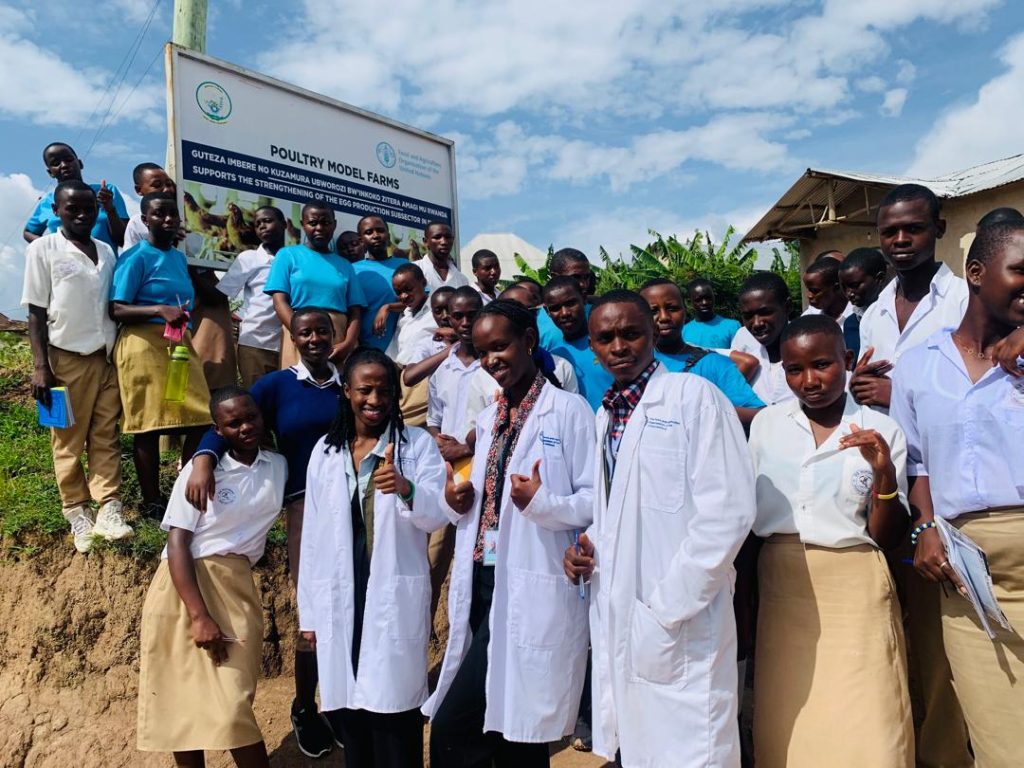
- Peer Educators: Through the Gold Youth programme model, we identify and train young individuals to become peer educators within their schools and communities. These peer educators act as relatable role models and sources of information for their fellow female students.
- Facilitator Interns: RODI Rwanda deploys our dedicated Facilitator Interns to work closely with the peer educators in Ruhango District. These interns provide ongoing training, mentorship, and support to the peer educators, equipping them with the necessary skills and knowledge to effectively guide their peers.
- Mentorship and Guidance: The peer educators, under the guidance of our Facilitator Interns, provide mentorship and support to younger girls in their high schools. This includes offering guidance on academic performance, reproductive health, life skills, and building self-confidence.
- Coordinated Support: Our Site Coordinator oversees the implementation of this program in the Ruhango District, ensuring effective coordination between RODI’s Facilitator Interns, the Gold Youth programme, school administrators, and peer educators. This coordinated approach ensures the program’s smooth operation and maximizes its impact.
- Creating Safe Spaces: The program aims to create safe and supportive spaces within schools where girls feel comfortable discussing challenges, sharing experiences, and accessing accurate information.
Empowering Girls, Transforming Rwanda
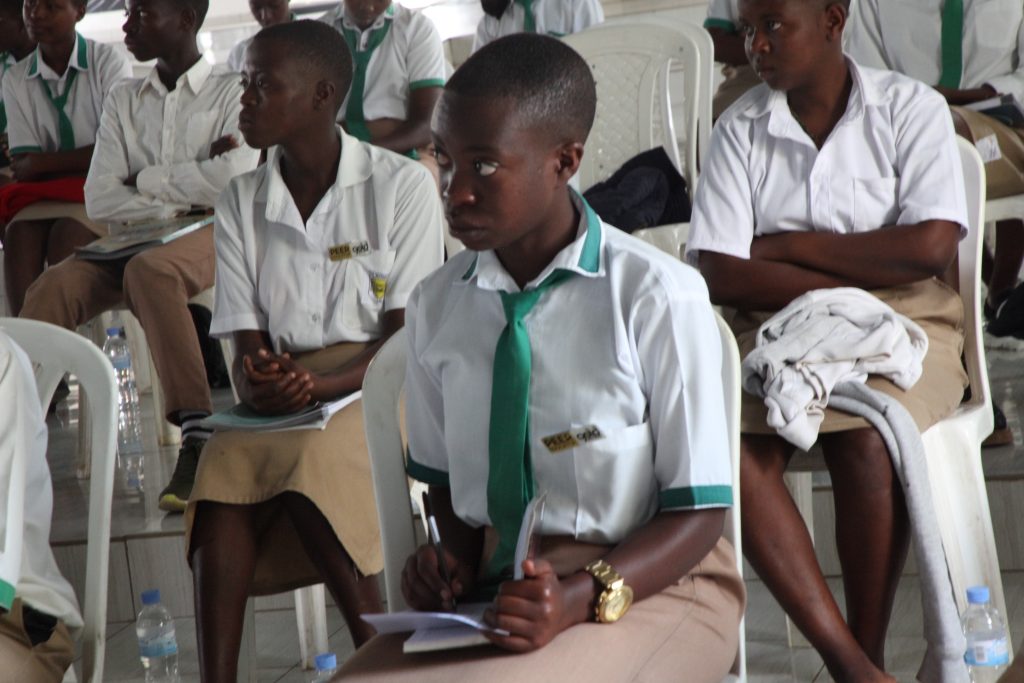
Through our partnership with the Gold Youth programme in Ruhango District, RODI Rwanda is directly contributing to the empowerment of young girls by providing them with education, mentorship, and peer support. By breaking down barriers to their educational and personal development, we are investing in their potential to become future leaders, innovators, and agents of change within their communities and for Rwanda as a whole. Educating girls is not just a matter of equality but a strategic imperative for building a brighter and more prosperous Rwanda for everyone.
