
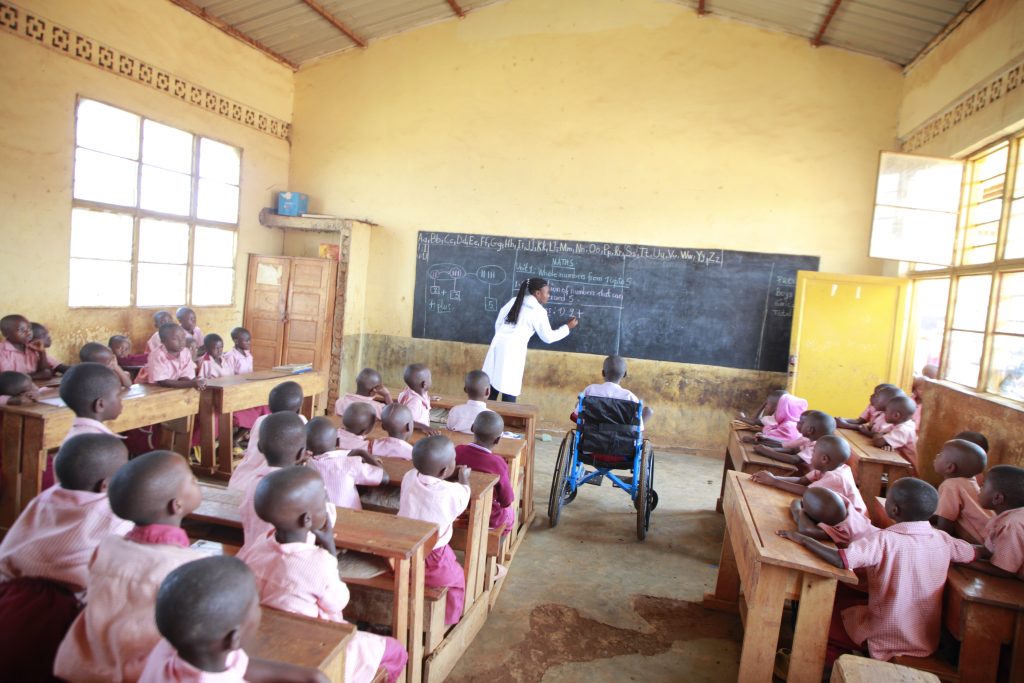
Across Rwanda, the “back-to-school” season is a tangible shift. It’s more than just the sight of new uniforms in the street or the busy hum of a schoolyard. It is a powerful, recurring national event that fundamentally realigns the rhythm of daily life. This annual routine is a cornerstone of our society, sending profound ripples that impact the core dynamics of our families, the vibrancy of our communities, and the ambitious trajectory of our national development.
The Impact on Family Dynamics
For the family unit, the back-to-school routine is a period of significant recalibration.
- Economic Planning and Investment: The most immediate impact is financial. Preparing children for a new term—with school fees, uniforms, books, and scholastic materials—represents a major financial commitment for Rwandan families. This is not seen as a mere expense, but as the single most important investment a family can make in its children’s and its own collective future.
- Restoration of Structure: After the holidays, the school schedule reintroduces a vital daily structure. This routine provides a predictable framework for children’s learning, meals, and sleep, which is critical for their development. It also allows parents and guardians to more effectively manage their own work schedules, businesses, and household responsibilities, knowing their children are in a safe and productive environment.
- Psychological Shift: The routine brings a psychological shift for parents. There is a sense of purpose and a shared hope for their children’s success. This period reinforces the family’s role as the primary support system for education, fostering a home environment that values discipline, study, and aspiration.
The Impact on Community Dynamics
When schools are in session, the entire community feels the change. The back-to-school routine acts as a social and economic catalyst.
- A Local Economic Engine: Local commerce is visibly energized. Tailors are busy fulfilling orders for uniforms, local shops see a surge in sales of stationery and supplies, and transport services (from motos to buses) gain a stable, daily clientele. The education sector itself is a major employer, providing livelihoods for teachers, administrators, and support staff, further strengthening the community’s economic base.
- Strengthening Social Cohesion: Schools are natural hubs for community interaction. Parents connect during drop-offs, Community meetings (umugoroba w’ababyeyi), and events. This shared experience of raising and educating the community’s children builds social bonds, trust, and a collective sense of responsibility for the well-being of all local youth.
- Positive Youth Engagement: With children and youths engaged in structured learning and extracurricular activities, the community benefits from a positive focus. It channels youthful energy toward productive goals, contributing to a safer and more engaged neighborhood environment.
The Impact on National Development Dynamics
On a national scale, the back-to-school routine is the engine of Rwanda’s transformation. It is the most critical mechanism for building the human capital required to achieve our national goals, including Vision 2050.
- Building the Future Workforce: Every school term is a direct investment in the nation’s future. The education system, under the stewardship of key bodies such as the Rwanda Basic Education Board (REB) and the National Examination and School Inspection Authority (NESA), is the primary pipeline for developing the next generation of doctors, engineers, IT professionals, innovators, and skilled leaders who will drive our economy.
- Fueling Economic Transformation: An educated, skilled, and critical-thinking population is the prerequisite for moving from an agrarian society to a knowledge-based, service-oriented economy. The daily work happening in classrooms across the country is what makes this economic transformation possible.
- Promoting Inclusion and Equity: A core principle of Rwanda’s development is ensuring no one is left behind. The national “back-to-school” effort is fundamentally an exercise in equity, aiming to provide every child, regardless of their background or ability, with a pathway to success.
Ensuring Every Youth Has a Pathway
This national vision of inclusive development faces a critical challenge: what about the youths who, for various reasons, may not thrive in the traditional academic system? How do we ensure they are not left behind in this development dynamic?
This is where targeted, innovative projects become essential. A powerful example is the Learning and Inclusion for Transformation (LIFT) project, a comprehensive initiative designed to make education truly inclusive for all.
Led by Cambridge Education and funded by the UK’s Foreign, Commonwealth & Development Office, LIFT-OOSCY operates as a consortium with vital partners, including Rwanda Organization for Development Initiatives (RODI), The Umbrella of Organizations of Persons with Disabilities in the Fight against HIV/AIDS & for Health Promotion (UPHLS), and Action pour le développement du Peuple (ADEPE). Key partners supporting the program include the Rwanda Basic Education Board (REB), the National Examination and School Inspection Authority (NESA), and partner districts such as Rusizi District.
Our Contribution to Back-to-school youth and children and Alternative learning pathway in Rusizi District
As a consortium partner within the broader LIFT project, specifically in Rusizi District, our work at Rwanda Organization for Development Initiatives (RODI) focuses on implementing the Labor Assessment Pathway for youths in Rusizi District.
Our focus is to ensure that “back-to-school” for these young people. We do this by:
- Assessing their individual interests, aptitudes, and the needs of the local labor market.
- Guiding them toward viable, practical, and in-demand skills.
- Connecting them to alternative learning pathways, such as Technical and Vocational Education and Training (TVET) centers, apprenticeships, and other intensive skill development programs.
This pathway ensures that all youth, including those with disabilities or those who have been out of school, are part of Rwanda’s development. It transforms their potential into the practical skills needed for employment and entrepreneurship, directly contributing to the nation’s economic goals.
Conclusion
The “Children and Youths Back-to-School” routine is far more than a simple entry on the calendar. It is the synchronized, rhythmic pulse of Rwanda’s progress. It resets the focus of our families, energizes our local communities, and systematically builds the human capital for our national ambitions.
By embracing and supporting inclusive models like the LIFT-OOSCY project, we ensure that this powerful routine doesn’t just send children back to a classroom but propels all our youth forward on diverse pathways to a productive and dignified future.
