
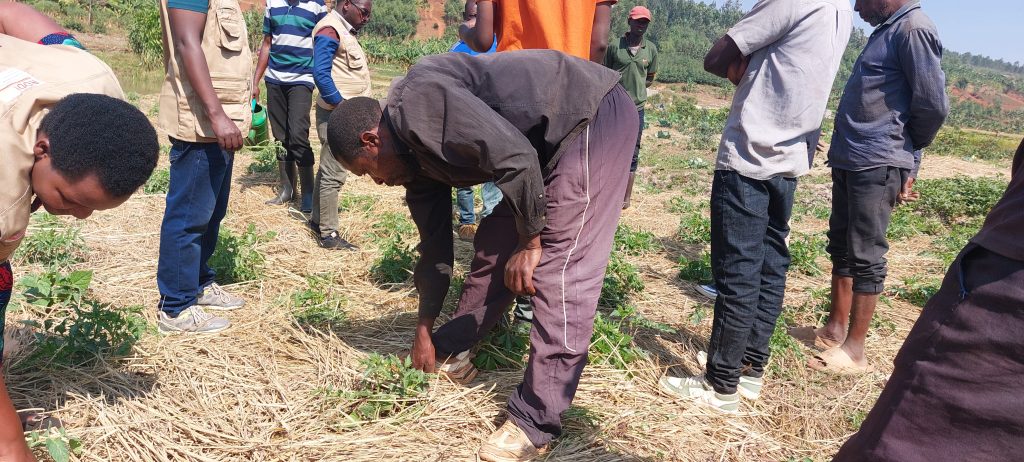
Introduction
Rwanda, often referred to as the “Land of a Thousand Hills,” is a country with a predominantly agrarian economy. Agriculture plays a crucial role in the livelihoods of the majority of Rwandans, contributing significantly to the national GDP and employing a large portion of the population. However, the sector faces numerous challenges, including climate change, soil degradation, and limited access to modern farming techniques. To address these issues and enhance food security, Rwanda has been adopting sustainable agricultural practices that promote environmental conservation, resilience, and productivity.
The Importance of Sustainable Agriculture
Sustainable agriculture is essential for ensuring long-term food security and environmental health. It involves farming practices that meet current food needs without compromising the ability of future generations to meet their own needs. This approach emphasizes the use of eco-friendly methods, conservation of natural resources, and the enhancement of biodiversity. In Rwanda, sustainable agriculture is seen as a key strategy to combat the adverse effects of climate change, improve soil health, and increase agricultural productivity.
Key Sustainable Agricultural Practices in Rwanda
- Agroforestry
Agroforestry is the integration of trees and shrubs into agricultural landscapes. This practice helps improve soil fertility, reduce erosion, and enhance biodiversity. In Rwanda, agroforestry is widely practiced, with farmers planting trees such as Grevillea, Calliandra, and Faidherbia alongside their crops. These trees provide shade, improve soil structure, and offer additional sources of income through the sale of timber and non-timber forest products 1.
- Crop Diversification
Crop diversification involves growing a variety of crops to reduce the risk of crop failure and improve soil health. In Rwanda, farmers are encouraged to diversify their crops by planting legumes, cereals, root crops, and vegetables. This practice not only enhances food security but also improves soil fertility through the nitrogen-fixing properties of legumes 1.
- Organic Farming
Organic farming emphasizes the use of natural inputs and processes to maintain soil health and reduce environmental impact. Rwandan farmers are increasingly adopting organic farming practices, such as using compost and manure instead of synthetic fertilizers, and employing biological pest control methods. This approach helps maintain soil fertility, reduce chemical residues in food, and promote biodiversity 1.
- Water Management
Efficient water management is crucial for sustainable agriculture, especially in regions prone to drought. In Rwanda, farmers are implementing various water conservation techniques, such as rainwater harvesting, drip irrigation, and the construction of terraces to reduce runoff and soil erosion. These practices help ensure a reliable water supply for crops, even during dry periods 1.
- Conservation Agriculture
Conservation agriculture involves minimal soil disturbance, maintaining soil cover, and practicing crop rotation. This approach helps improve soil structure, reduce erosion, and enhance water retention. In Rwanda, conservation agriculture is being promoted through training programs and the provision of necessary tools and equipment to farmers 1.
Challenges and Solutions
Despite the benefits of sustainable agricultural practices, Rwandan farmers face several challenges in their adoption. These include limited access to modern technology, inadequate infrastructure, and a lack of knowledge and training. To address these issues, the Rwandan government, in collaboration with various organizations, is implementing initiatives to support farmers. These include:
- Training and Capacity Building: Providing farmers with training on sustainable farming techniques and the benefits of adopting these practices.
- Access to Inputs: Ensuring that farmers have access to quality seeds, organic fertilizers, and other necessary inputs.
- Infrastructure Development: Improving rural infrastructure, such as roads and irrigation systems, to support agricultural activities.
- Research and Innovation: Promoting research on sustainable agriculture and the development of innovative solutions to address local challenges 2.
Impact on Food Security
The adoption of sustainable agricultural practices has had a positive impact on food security in Rwanda. By improving soil health, increasing crop yields, and enhancing resilience to climate change, these practices have contributed to a more stable and reliable food supply. Additionally, sustainable agriculture has helped diversify income sources for farmers, reducing their vulnerability to economic shocks 2.
Conclusion
Sustainable agricultural practices are vital for enhancing Rwanda’s food security and ensuring the long-term sustainability of its agricultural sector. By adopting eco-friendly methods, conserving natural resources, and promoting biodiversity, Rwandan farmers can improve their productivity and resilience to climate change. Continued support from the government and other stakeholders is essential to overcome the challenges faced by farmers and to promote the widespread adoption of sustainable agriculture in Rwanda.
